

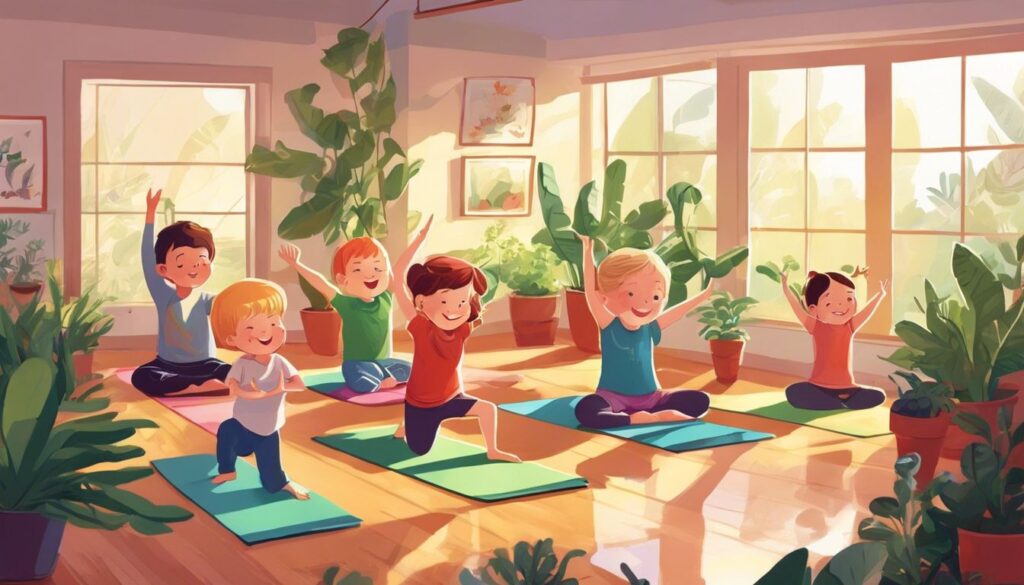
As parents and educators of young children, we understand the importance of nurturing well-rounded personalities early on. It’s often a bit tricky to balance encouraging physical activity with fostering emotional wellness in little ones.
Have you thought about yoga and mindfulness? Sure, at first glance, it might seem ambitious – how exactly do you hold those wiggly attention spans with practices that give even grown-ups a run for their money?.
Well, rest assured – this isn’t uncharted territory. We’ve all faced the challenge of keeping our lively preschoolers engaged while teaching them to focus. There’s plenty of research out there that backs up the benefits: yoga works wonders for developing physical flexibility, while mindfulness sharpens cognitive focus even in kids as young as three.
That’s why we’ve put our heads together to devise clever ways perfect for pint-sized learners. Our article doesn’t just talk theory; it offers a vault full of practical ideas for weaving yoga poses and mindful moments into everyday classroom life—experience not necessary! So are you ready to turn your learning space into an oasis of peaceful discovery? Together, let’s take confident steps toward enriching our children’s educational experiences with heart and creativity.
Key Takeaways
- Yoga and mindfulness can significantly enhance preschoolers’ physical flexibility, concentration, emotional regulation, and cognitive focus.
- Simple yoga poses like Tree Pose, Boat Pose, and Warrior Poses are ideal for young children to develop coordination, strength, balance, and body awareness.
- Mindfulness activities such as mindful breathing breaks, meditation sessions tailored for short attention spans, sensory walks in nature or guided imagery stories help preschoolers manage their emotions and build social skills.
- Breathing exercises like Balloon Breath and Bumble Bee Breath offer fun ways for kids to learn self-regulation techniques that aid mental clarity and emotional stability.
- Incorporating yoga into the preschool curriculum with structured lesson plans engages children in a holistic learning process that nurtures not only their academic growth but also their overall well-being.
Understanding Yoga and Mindfulness

Moving from the basics to a deeper dive, let’s unpack yoga and mindfulness. These practices go hand in hand, weaving together physical poses with mental focus to enhance children’s well-being.
Yoga is not just about stretching; it’s a whole-body experience that promotes strength, flexibility, and balance. With postures like tree pose and warrior pose, kids learn to coordinate their movements while developing body awareness.
Mindfulness takes these benefits further by honing concentration and self-awareness through techniques such as mindful breathing and guided meditation. Through breath work exercises like belly breathing, young ones cultivate calmness and self-management.
They also begin to understand how their thoughts influence emotions—a key component of social-emotional development—laying the groundwork for healthier ways to interact with others and handle stress.
Importance of Yoga for Preschoolers

We understand the challenges of keeping little ones engaged, and that’s why we bring yoga into their world — it’s not just about flexibility; it’s about laying the foundation for a healthy lifestyle.
Imagine preschoolers learning to balance like trees or roar powerfully in a lion pose; these are more than just playful moments. Yoga postures stimulate physical coordination, enhance concentration, and foster emotional equilibrium.
They build strength and stability while teaching children to listen to their bodies.
Gentle breathing exercises pair beautifully with this physical practice, guiding young minds toward calmness and helping them recognize their emotions. Kids who regularly participate in yoga often show improvements in self-regulation, finding peace during moments of restlessness or frustration.
This discipline can be particularly beneficial for those on the autism spectrum disorder or with ADHD symptoms by providing strategies that aid attentional control and impulsivity management.
Now let’s explore how we can seamlessly weave these benefits into your preschool curriculum—creating an environment where mental health is as nurtured as ABCs and 123s.
Incorporating Yoga into the Preschool Curriculum
Integrating yoga into the preschool curriculum offers a unique opportunity to nurture young minds with balance and serenity, ensuring they develop not just academically but holistically—read on to discover how this can be a game-changer in early education.
As parents, we always want what’s best for our little ones. Yoga offers a fun way to enhance their physical wellness and social-emotional development, so let’s explore some poses that are perfect for preschoolers.
- Tree Pose (Vrksasana): Encourages balance and concentration. Have your child stand on one foot, place the other foot on the opposite inner thigh or calf (avoid the knee), and press their hands together in prayer position.
- Boat Pose (Navasana): Strengthens the core and improves digestion. Kids can sit with knees bent, feet flat on the floor, lean back slightly and lift their feet to be level with their eyes if possible, arms outstretched forward.
- Warrior Poses (Virabhadrasana): Build leg strength, focus, and confidence. From standing, step one foot back, bend the front knee over ankle while keeping arms raised parallel to the floor.
- Starfish Pose: Promotes better posture and body awareness. Children spread their legs wide apart and stretch out their arms horizontally so they look like a star.
- Butterfly Pose (Baddha Konasana): Opens up the hips and thighs. Sitting down, kids bring the soles of their feet together close to their body and gently flap legs up and down like butterfly wings.
- Cobra Pose (Bhujangasana): Strengthens spinal muscles crucial for sitting at desks in preschool. Lying on their tummies, palms under shoulders, they gently arch their backs pressing into hands to raise chest off floor.
- Downward Dog (Adho Mukha Svanasana): Engages full body with an emphasis on upper body strength. Starting on hands and knees, they push hips up toward ceiling creating an inverted V-shape with body.
- Tabletop Pose: Builds a strong foundation for many other yoga poses. Kids start on hands and knees ensuring wrists are under shoulders and knees under hips as if creating a tabletop with their back.
Mindfulness Activities
Mindfulness activities- Mindful breathing breaks: Introduce calm moments in the day with short breathing exercises. Guide preschoolers to take slow, deep breaths, filling their bellies like a balloon and exhaling slowly to release tension.
- Meditation: Start with short sessions where children sit quietly and focus on a single object or sound. This practice can enhance their attention span and introduce them to the basics of meditation.
- Nature walks: Take the kids outside for a walk where they can use all their senses to experience nature. Encourage them to notice the sounds of birds, the feel of leaves, or the smell of flowers.
- Balloon breath: Teach children to breathe in deeply through their noses and imagine filling up a balloon in their belly. As they exhale through their mouths, they can visualize the balloon deflating.
- Lion’s breath: Help preschoolers release energy and stress by taking a deep breath in and then roaring it out like a lion. This is fun and can be very effective for calming down.
- Sensory exploration: Create stations with various textures such as soft fabric or rough sandpaper for children to touch. Invite them to describe what they feel, which promotes mindfulness through sensory experiences.
- Guided imagery: Tell calming stories that include visualizations of peaceful scenes like floating on clouds or walking in a forest. Kids get to relax while enhancing their imagination.
- Movement games: Incorporate simple yoga poses or gentle stretches into playtime. This helps improve physical awareness while keeping mindfulness engaging.
Breathing Exercises
Transitioning from exploring various mindfulness activities, we now turn our attention to the calming world of breathing exercises. These techniques are wonderful tools for helping preschoolers center their minds and calm their bodies.
- Balloon Breath: Invite the children to imagine inflating a balloon in their belly as they breathe in deeply through the nose. Then, have them slowly exhale through the mouth, deflating the imaginary balloon. This visual can make breathing deeply fun and engaging.
- Bumble Bee Breath: Have the kids breathe in and then hum like a bee as they exhale. They can also place their fingers in their ears to feel the vibrations. This exercise not only calms but also adds an element of playfulness.
- Ocean Breath: Encourage little ones to mimic the sound of ocean waves using their breath. Instruct them to inhale through the nose and exhale with a whooshing sound, which is both soothing and helps with focus.
- Mirror Breath: Pair children up and ask them to face each other. They take turns leading deep breaths while the other mirrors their actions. This promotes empathy and connection between classmates.
- Lion’s Breath: Kids love this one! Ask them to take a deep breath in, then exhale fiercely with an open mouth and tongue out, often paired with a roar. It’s great for releasing stress and excess energy.
The Role of Yoga Lesson Plans in Preschool Education
Crafting yoga lesson plans is a cornerstone of integrating wellness in early education, as it equips instructors with a framework to deliver yogic concepts effectively to preschoolers.
These structured guides ensure that each session enriches young minds with the balance and serenity that yoga promises, laying the groundwork for holistic development.
How to Write Yoga Lesson Plans for Preschoolers
Creating effective yoga lesson plans for preschoolers requires thought and a playful approach. We aim to keep young minds engaged while introducing them to the fundamentals of yoga. Here’s how we do it:
- Choose a Theme: Kids love stories and themes; organizing your lesson plan around a simple narrative or concept captures their imagination.
- Keep It Short: Aim for a 30 to 40 minute class, which is just right for preschoolers’ attention spans.
- Start with Basic Poses: Incorporate easy postures like tree pose, butterfly pose, and downward dog to build their confidence and interest.
- Include Breathing Exercises: Teach simple breathing techniques such as balloon breath or bumble bee breath to help them learn how to relax.
- Plan Mindfulness Activities: Engage kids with nature walks or mindful listening games that let them use their senses to connect with the present moment.
- Use Props and Visuals: Colorful mats, pictures, and toys can make yoga more fun and help children understand the poses better.
- Add Music and Songs: Incorporate playful songs that encourage movement and enhance the overall experience.
- Develop Sequences That Tell a Story: Move from pose to pose in a way that follows your theme, turning the session into an adventure.
- Integrate Games: Yoga-based games keep things lively while teaching balance, coordination, and body awareness.
- End with Relaxation Time: Always conclude with a brief relaxation period like savasana, providing quiet time for absorption of the practice’s benefits.
Difference between Yoga Curriculum and Yoga Lesson Plans
A yoga curriculum is like an overarching map for our journey with preschoolers, guiding them through various themes and concepts over multiple sessions. It’s a big picture approach, which ensures that kids get a balanced mix of movement, mindfulness, and breathing techniques to support their physical and emotional growth.
Think of it as the entire course outline offering a systematic review of what we want our little ones to learn from their time on the mat.
On the other hand, crafting individual yoga lesson plans requires us to focus on the specifics for each class session. These plans are where creativity blooms – selecting postures (asana), planning activities around a theme, or setting intentions that resonate with young minds.
Everything in a lesson plan has its place: warm-up movements like sun salutation; main activities designed for social-emotional learning; cool-down periods that bring relaxation. It’s about organizing one class at a time so every moment feels purposeful and enriching for our preschool yogis.
Practical Tips for Teaching Yoga to Preschoolers
Teaching yoga to our little ones can be a delightful journey, yet it requires us to adapt our approach. We understand that tiny bodies and attention spans demand techniques tailored specifically for preschoolers; let’s explore how we can foster their love for yoga while nurturing their young minds.
Bringing Your Unique Personality into Lessons
We all have our own way of lighting up a room, and that holds true when teaching yoga to preschoolers. Injecting your distinctive charisma into every class not only helps you connect with the little ones but also makes each session memorable.
Share stories, use funny voices for poses, or even create a yoga adventure that mirrors an aspect of your own personality. Kids thrive on this personalized engagement—they can sense authenticity and are drawn to it like moths to a flame.
Embracing what makes you unique is key in capturing children’s imagination and keeping their attention. Your enthusiasm becomes contagious; it encourages kids to express themselves too, fostering an environment where everyone feels comfortable showing who they are through movement and mindfulness.
This approach builds trust and rapport quickly, which is essential in nurturing young minds open to learning the benefits of yoga practices tailored just for them.
Choosing Appropriate Yoga Poses
Selecting suitable yoga poses for preschoolers keeps their bodies moving and minds engaged. It’s crucial to pick postures that are fun, safe, and developmentally appropriate for little ones.
- Start with the Tree Pose: This pose helps preschoolers practice balance and concentration. Have them stand on one leg, place the opposite foot on the standing leg’s inner thigh or calf, and stretch their arms overhead like branches.
- Introduce the Boat Pose: Encourage kids to balance on their buttocks with legs lifted, forming a ‘V’ shape. This strengthens the core muscles and aids coordination.
- Move to Warrior Poses: These stances build strength and confidence. Guide children to step one foot back, bend the front knee, and reach arms out like a superhero.
- Incorporate the Starfish Pose: Preschoolers can stand with legs wide and arms extended, imitating a starfish. It’s excellent for improving posture and body awareness.
- Make space for Butterfly Pose: Sitting down, they can press the soles of their feet together and flap their knees like butterfly wings. This helps flexibility in the hips.
- Shift into Cobra Pose: Kids enjoy pretending to be snakes as they lie on their tummies, press hands into the mat, and lift their chests up.
- Practice Downward Dog: A preschool favorite where children form an upside-down ‘V’ by lifting hips up from all fours. It stretches the body from fingers to toes.
- Finish with Tabletop Pose: On hands and knees, this simple pose encourages a neutral spine alignment while strengthening limbs.
Maintaining Patience and Confidence
We all know that teaching yoga to little ones requires a gentle blend of patience and confidence. Young kids can be unpredictable, and sometimes even the most well-thought-out yoga lesson plan might need on-the-spot adjustments.
We stay calm and cheerfully adapt because we understand how critical these early experiences are for building their lifelong love of movement. Keeping our lessons light, engaging, and full of encouragement helps preschoolers feel successful as they try new poses.
Our confidence encourages them to trust in their own abilities. As instructors or parents guiding our children through yoga, demonstrating steadiness amidst chaos is key. Even when a child struggles to hold a pose or becomes restless during mindfulness practice, we show composure.
This resilience not only keeps the class flowing but also teaches an invaluable life lesson: it’s okay to face challenges with poise and determination.
Mindfulness in the Classroom Curriculum
7. Mindfulness in the Classroom Curriculum:.
Weaving mindfulness into our daily lessons transforms the atmosphere of the preschool classroom, nurturing a sense of calm and focused awareness among even the youngest learners. By incorporating these practices, we create an environment where children can cultivate self-awareness and emotional regulation skills that support their educational journey and overall well-being.
Mindfulness Through Breath
Mindfulness through breath is a cornerstone of calming and centering techniques we can teach our preschoolers. It helps them learn self-regulation, supporting both their emotional and cognitive development.
- Start with simple breathing exercises: Teach children to take slow, deep breaths in through the nose and out through the mouth. This basic step encourages focus and stillness.
- Create a routine: Incorporate short breathing sessions into the daily schedule to establish consistency, which reinforces its importance.
- Use visuals: Introduce colorful images or objects that rise and fall to visually demonstrate deep breathing. Kids often understand better with visual cues.
- Make it interactive: Have children place their hands on their bellies and feel the movement as they breathe, connecting bodily sensations to the practice.
- Pair it with a story: Tell a story that includes characters taking deep breaths in challenging situations, making the concept relatable.
- Practice during transitions: Before moving to a new activity, guide kids through a minute of focused breathing to help them set shift attentively.
- Encourage mindfulness meditation: A few minutes of guided meditation can improve attention spans over time, fostering better classroom management.
- Empower with tools for emotions: Teach children that when they’re feeling upset or hyperactive, focusing on their breath can be calming.
Mindfulness Through Sensory Experiences
Transitioning from focusing on our breath, we explore another fundamental aspect of mindfulness that benefits preschoolers: sensory experiences. Engaging the senses deeply connects young children to the present moment and nurtures their natural curiosity.
- Use textured objects for touch exploration. Provide various items like velvet ribbons, rough stones, or fluffy cotton balls and ask children to describe how each feels in their hands.
- Create a listening corner. Play sounds of nature or soothing instrumental music and invite children to close their eyes and identify what they hear.
- Aromatherapy sessions work wonders. Introduce calming scents such as lavender or peppermint with cotton pads or diffusers and encourage kids to notice the feelings they evoke.
- Taste tests teach us a lot. Offer slices of different fruits or veggies and have a discussion about sweet, sour, salty, and bitter flavors they detect.
- Visual scavenger hunts captivate attention. Have pictures or objects with various patterns and colors around the room for children to find and discuss.
Mindfulness Through Guided Imagery
Teaching kids the art of mindfulness can unlock a world of calm and focus. Guided imagery is a powerful tool we can use to help our preschoolers navigate their emotions and reactions.
- Begin by finding a comfortable, quiet space where your preschooler can sit or lie down without distractions. Soft mats or cushions work well for this.
- Use calm, soothing tones as you walk them through a story or scene. Choose scenarios that are easy for young minds to picture, like a peaceful garden or gently flowing river.
- Encourage them to visualize every detail in their mind’s eye. Ask them to imagine the colors, sounds, and smells they might experience in these places.
- Include elements in your story that engage all the senses. Talk about the warmth of the sun on their skin or the coolness of water they’re pretending to dip their toes into.
- Guide their breathing as part of the visualization. Instruct them to take deep breaths in through the nose and exhale slowly through the mouth as they delve deeper into their image.
- Integrate mindful breathing breaks during transitions within the imagery session. For example, moving from visualizing walking in a meadow to sitting by a stream requires deep breaths for shifting attention smoothly.
- Allow time towards the end for your preschooler to slowly come out of their imagery state. Gently prompt them back to present awareness with soft reminders of their surroundings.
- Reinforce positive feelings at the end by asking them how they feel after imagining this peaceful place. This helps establish an association between mindfulness practice and emotional well-being.
Mindfulness Through Movement
Mindfulness through movement brings a dynamic aspect to preschool learning. It combines physical activity with mental focus, helping little ones manage their energy and emotions.
- Start with simple yoga poses that encourage children to pay close attention to their body movements. Poses like “Tree” or “Mountain” can be fun and easy for them to understand.
- Guide the kids through a pretend journey where each movement represents part of the story. This could be a jungle adventure or a trip through space, engaging their creativity alongside their bodies.
- Use music as a cue for mindful motion. Slow rhythms can prompt slower, more deliberate movements, while upbeat tunes can invigorate the class with controlled but energetic actions.
- Integrate breathing exercises into these activities. Teach children to inhale deeply as they stretch upwards and exhale slowly as they fold forward, linking breath to motion.
- Incorporate games that involve freezing in place when certain cues are given. This encourages rapid shifts from motion to stillness, boosting their attention control and set shifting abilities.
- Encourage them to express themselves freely through dance after they’ve mastered following directions. Allowing free dance gives them a chance at self-expression while being mindful of how they move.
- Conduct group activities where everyone has to move in sync. This not only promotes mindfulness but also enhances social competence by requiring awareness of others’ actions.
- Finish sessions with quiet reflection on how their bodies feel after moving. This helps tie together the physical experience with emotional awareness.
The Benefits of Integrating Mindfulness in the Classroom
Integrating mindfulness into our preschoolers’ daily routine nurtures their ability to pay attention, calm down when they’re upset, and make better decisions. It’s like planting seeds for skills that will grow with them throughout their lives.
Imagine classrooms filled with children who can manage stress before a test or speak calmly about what bothers them – this is the power of mindfulness. Research supports its positive impact on kids’ academic performance, showing marked improvements in areas such as math scores.
As we guide our little ones through breathing exercises and sensory experiences designed to ground them in the present moment, these activities lay the foundation for strong mental health.
They become equipped to handle life’s ups and downs more gracefully. The focus shifts from solely academics to a holistic approach where emotional intelligence flourishes alongside intellectual growth.
After discussing how nurturing young minds with mindfulness can transform the classroom environment, let’s move to another crucial aspect affecting their learning capabilities – nutrition through brain foods that help them learn effectively.
Nutritional Tips for Preschoolers: Brain Foods That Help Them Learn
We understand that proper nutrition plays a crucial role in a preschooler’s learning and development. Filling their plates with brain-boosting foods can make a significant difference in how they focus, learn, and grow. Here are some top nutritional tips to keep young minds sharp:
- Serve eggs for breakfast. Eggs are rich in choline, which helps develop the memory center of the brain.
- Offer whole grains at mealtimes. They release glucose slowly, providing a steady source of fuel for the brain.
- Add a daily dose of berries. Berries boast high levels of antioxidants and vitamin C, enhancing cognitive function.
- Include fatty fish in weekly menus. Salmon and other oily fish provide Omega – 3 fatty acids, essential for brain health.
- Don’t skimp on beans and legumes. They’re good sources of protein and complex carbohydrates, stabilizing energy levels.
- Choose colorful fruits and vegetables. A variety of hues means an assortment of vitamins and minerals vital for mental clarity.
- Sprinkle seeds or nuts as snacks or on salads. Sunflower seeds and walnuts contain nutrients that support mental alertness.
- Encourage yogurt or cheese as calcium – rich snack options; calcium is important not just for bones but also for nerve function.
- Opt for lean beef or iron – fortified cereals occasionally; iron is necessary to prevent cognitive delays associated with iron deficiency.
Recommendations for Successful Implementation of Yoga in Preschool
To seamlessly integrate yoga into your preschool curriculum, we have curated a selection of recommendations that promise to enrich the experience for both you and your young learners; continue reading to discover how these insights can elevate your teaching approach.
Not focusing on perfection
We know it’s tempting to want everything just right for our kids, but in yoga, perfection is not the goal. Especially with preschoolers, their yoga journey should focus on exploration and enjoyment rather than hitting every pose perfectly.
It’s all about helping them grow physically fit while nurturing their emotional well-being and cognitive development. Yoga at this age lays a foundation for lifelong skills like balance, coordination, and mindfulness-based stress reduction without the pressure of getting every move exactly right.
Encouraging our little ones to embrace yoga means celebrating their efforts and reminding them that it’s okay if they wobble or fall—it’s part of learning! The beauty lies in witnessing their progress as they gain strength and confidence with each session.
So let’s roll out those mats and remember that laughter often follows any topples; after all, joy is part of the practice too. Now, shifting our focus from poses to presence opens up space for joining in the fun alongside them—ready to see where their imagination takes you both next?.
Joining in the yoga sessions
Stepping onto the mat with our little ones, we not only show them how it’s done, but we also set an example of lifetime habits for well-being. As parents and educators, participating in yoga sessions alongside preschoolers enriches the experience—it transforms practice into playtime that nurtures connection and growth.
While guiding them through tree poses or boat poses, we’re right there to steady a wobble or share a smile, turning stretches into shared triumphs.
Let’s be part of their learning journey as they discover balance in warrior poses and calmness through balloon breath or bumblebee breath. Our presence during these exercises reinforces the fun of trying new movements while boosting their confidence—and ours too! These moments are more than just physical activity; they are opportunities to model mindfulness-based interventions and prosocial skills in action, shaping positive behaviors from an early stage.
Using props and visuals
We know that holding the attention of preschoolers can be like trying to catch a butterfly—full of unexpected turns. That’s where props and visuals come into play, transforming yoga lessons from routine stretches into playful adventures.
Picture a classroom where colorful mats roll out like a welcome mat to fun, blocks become tools for building balance, and vibrant images lead little ones through each pose. We introduce stuffed animals as companions in their yoga journey, turning practice into storytelling time where every stretch has its own tale.
Imagine the sparkle in their eyes when we replace abstract instructions with engaging pictures showing exactly how to stand tall like a tree or curl up small like a seed. Using these visual aids, yoga becomes more than just movement; it’s an interactive story that unfolds on the mat.
Themed classes with toys invite kids to explore new worlds while they learn about mindfulness and relaxation through structured play. These are not mere distractions but bridges connecting young minds to the power of focused breathing and physical awareness—making wellness both accessible and delightful for our youngest yogis.
Incorporating meditative breathing
Incorporating meditative breathing into our preschoolers’ yoga routine isn’t just about keeping them quiet for a minute or two. It’s a vital practice that helps little ones manage their emotions and calm their minds.
Imagine the classroom filled with deep, slow breaths—each inhale teaches focus while every exhale encourages release of stress. Our young learners begin to understand how to control their inner world; this is mindfulness in action.
Studies show kids as young as three benefit massively from these techniques. Deep belly breathing can turn chaotic energy into concentrated calm, which is crucial for those moments when patience wears thin.
Let’s take it one step further and pair each breath with intention, teaching children not only how to breathe but why it matters. They learn the power of pausing and choosing responses instead of reacting impulsively—a skill even adults are still mastering.
Next up, we explore pairing mindfulness with gratitude, transforming everyday lessons into lifelong gifts of awareness and appreciation.
Pairing mindfulness with gratitude
After guiding our little ones through the calming waves of meditative breathing, let’s take another nurturing step forward by combining mindfulness with gratitude. This powerful duo can work wonders in children’s lives, transforming their daily experiences into a series of appreciative moments.
We’ve discovered that when we teach kids to focus on the present and express thankfulness for it, they develop stronger resilience and more positive social behaviors. Research shows that such practices lead to higher lability/negativity scores and bolster prosocial tendencies.
Let’s encourage our preschoolers to be mindful of the good around them. By reflecting on what they’re grateful for after a mindfulness session, they start understanding how each day brings something valuable.
This reflection isn’t just feel-good fluff; it’s backed by studies demonstrating improved behavioral self-regulation among young learners who adopt these habits. So next time you sit down with your children for a quiet moment of mindfulness, help them cap off the experience by recognizing what makes their hearts full – it could be as simple as a sunny day or a favorite toy.
This practice plants seeds of positivity that will flourish throughout their social and emotional development.
Conclusion
We’ve explored the vibrant world of yoga and mindfulness for our little ones. Embracing these practices in preschool promises a journey of growth, balance, and calm for every child.
Let’s make wellness a cornerstone of early education together. Every pose they learn, every breath they take brings them closer to becoming mindful learners and joyful beings. Here’s to nurturing a generation that thrives on peace, patience, and presence from their very first steps!
FAQs
1. What benefits do yoga and mindfulness offer to preschoolers?
Yoga and mindfulness can aid in reducing stress, increasing attention, and improving emotional regulation among children in early learning environments.
2. Can these practices help kids with ADHD or intellectual disabilities?
Absolutely! Mindfulness-based stress reduction techniques have shown promise in supporting children with attention-deficit/hyperactivity disorder (ADHD) and other intellectual vulnerabilities through randomized controlled trials.
3. Are there any psychological advantages to including wellness in the curriculum?
Yes, incorporating activities like hatha yoga into universal pre-kindergarten can enhance psychosocial development, friendship skills, and delay of gratification for better adjustment during adolescence.
4. How does one measure the effectiveness of a wellness program for young learners?
Effectiveness is often assessed through methodologically rigorous research tools such as NEPSY assessments, Behavior Rating Inventory of Executive Function (BRIEF), data analysis from randomized trials, and meta-analysis studies.
5. Does integrating wellness require special training for caregivers or teachers?
Teachers should obtain appropriate instruction on mindfulness-based stress reduction methods to effectively carry out interventions within self-contained classrooms or during recess times.
6. Is it possible to track progress when implementing these wellness strategies in preschools?
Yes! Caregivers can use various screening tools that align with medical subject headings (MeSH terms) criteria to monitor developmental progress related to implementing these methodologies.