

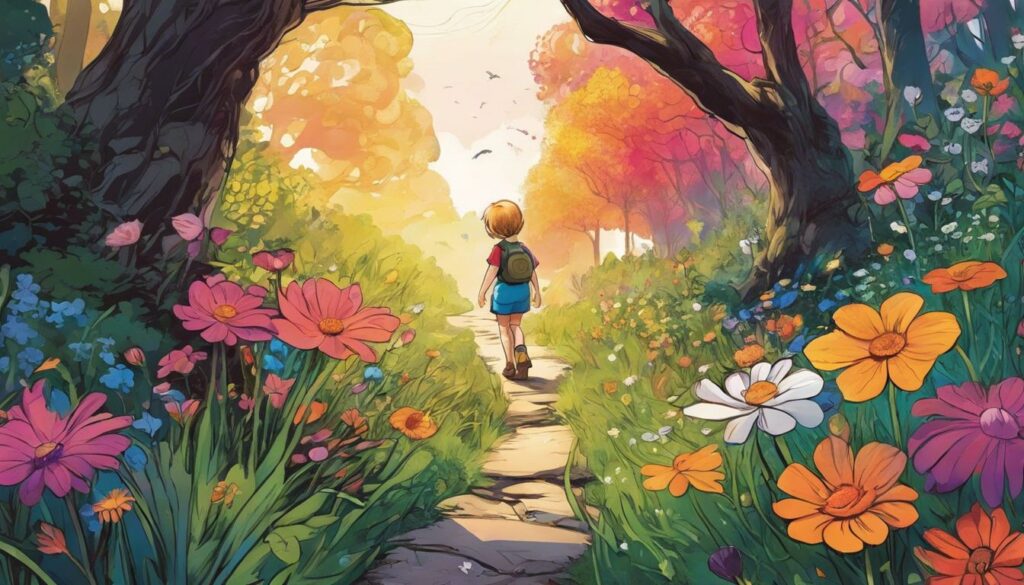
As parents, we’re constantly on the hunt for that sweet spot — the perfect blend of fun and learning for our preschoolers. But let’s be real: finding creative ways to avoid screen overload or yet another indoor puzzle can feel like searching for a lost toy in a playroom after dark.
It’s a common struggle, but take heart! You’re definitely not wandering this path alone. Many of us have been right there with you, wracking our brains until we stumbled upon a gem: outdoor education.
The truth is, studies shine a light on something magical — children are natural-born learners when they step outside and get into some playful exploration under the sun (hello vitamin D!), amidst all the marvels nature has tucked away.
We’ve sifted through tons of research and sage advice to handpick an array of educational outdoor activities tailored just for those energetic preschool minds—and they’re guaranteed to spark joy for us as parents too! In this blog post, we’ll unlock secrets to combing learning with generous helpings of fresh air.
Think scavenger hunts in search of every shade green can muster or crafting masterpieces with leaves. These are more than just activities; they’re precious opportunities nurturing your child’s growth at every turn.
So toss on those play shoes, roll up your sleeves—it’s time to jump into these inventive adventures that promise bushels of giggles and growth!
Key Takeaways
- Outdoor activities boost preschoolers’ development in many ways, including physical growth through active play like running and jumping, social skills as they learn to share and work with others, and cognitive abilities by engaging their curiosity about nature.
- Engaging children in outdoor learning activities such as nature scavenger hunts, birdwatching, and leaf printing not only promotes a love for the environment but also enhances their observational skills, patience, teamwork abilities, creativity, and understanding of the natural world.
- Parents can nurture their preschoolers’ educational journey by making outdoor exploration a regular part of life. Using kids’ interests as a guide for activities ensures that learning stays fun and relevant while promoting safe exploration habits helps maintain joyous experiences without risks.
- Themed weeks offer structured yet flexible opportunities for education at home. Choosing themes like “Under the Sea” or “Insects and Bugs” allows parents to create immersive learning experiences that encompass books, crafts, music, and outdoor adventures related to the topic.
- Involving preschoolers in outdoor educational activities encourages healthy lifestyles by reducing screen time. It gives them independence while teaching responsibility as they explore new environments—an essential step toward lifelong learning.
Importance of Outdoor Activities for Preschoolers

Stepping outside into the sunshine and fresh air isn’t just a delightful break from indoor routines; it’s an essential component of early childhood education that enriches young minds and bodies.
Outdoor activities provide a dynamic platform for preschoolers to grow holistically, touching on every facet of their development with each playful leap and curious question.
Physical benefits
Let’s get our little ones moving and grooving outside where they can stretch their legs, climb on playground equipment, and chase butterflies to their heart’s content. These natural workouts are more than just fun; they’re vital for strengthening tiny hearts, expanding young lungs, and building muscles that will carry them through a lifetime of adventures.
Picture the joy on your child’s face as they hop during a game of hopscotch or balance on logs—these moments aren’t merely play; they’re essential components of physical health.
Outdoor learning activities like a nature scavenger hunt encourage preschoolers to run, jump, and explore—all actions that feed into their physical well-being. Reducing screen time significantly by getting out in the fresh air does wonders too.
It lowers the risk factors for nearsightedness and obesity while allowing children to indulge in physical play that nurtures fine motor skills and promotes overall growth. They’ll be developing critical thinking as they navigate through learning outdoors, mastering language skills with every fascinating discovery in environmental education.
Social-emotional benefits
Engaging in outdoor activities offers fantastic social and emotional advantages for our preschoolers. They learn valuable life skills like sharing, taking turns, and collaborating while playing with other children on the playground or during a nature walk.
These experiences help them form strong friendships and understand how to work with others. Outdoor play often includes spontaneous moments where kids must negotiate roles, rules, or strategies—this not only enriches their social toolbox but also boosts their self-esteem as they navigate through conflict resolution and mutual respect.
Outdoor educational spaces provide a unique backdrop that strengthens children’s emotional health too. A simple birdwatching activity can foster patience as they wait quietly to spot different birds, instilling a sense of calmness.
Moreover, caring for plants or observing insects cultivates empathy and responsibility towards living things in their environment. As parents joining these excursions or leading lesson plans outdoors, we witness firsthand how fresh air, natural light, and open space positively affect our little ones’ moods and sleeping patterns — nurturing both body and mind for healthier development.
Cognitive benefits
Exploring the outdoors isn’t just a breath of fresh air for our little ones; it’s a mental workout that boosts their cognitive development. Every nature walk sparks curiosity as preschoolers engage with an ever-changing environment, asking questions and seeking answers about the world around them.
They develop better attention spans and problem-solving skills, as each step on the trail presents new challenges to navigate.
As we watch our children play outside, they’re not only building castles in the sandbox; they’re constructing vital neural pathways in their brains. Sensory experiences like touching rough bark or hearing rustling leaves immerse them in a rich learning context where creativity flourishes.
Research confirms that these brain-stimulating activities translate into improved focus and stronger learning abilities—critical tools that will help them throughout their educational journey.
So let’s tie those shoelaces, pack some snacks, and venture into nature’s classroom together!
Fun and Educational Outdoor Activities

Let’s dive into a world where education meets play beneath the open sky. Our selection of outdoor activities is designed not just to energize preschoolers’ bodies, but also to ignite their minds and social skills in the most natural classroom—nature itself.
Nature color hunt
We all know how crucial it is for our little ones to play and explore outside. With a nature color hunt, we’re bolstering their sense of wonder for the world around them. We gather simple items like paper bags or containers and head out on our nature walks with a mission: find objects that match specific colors we’ve chosen.
During these hunts, children open their eyes to the vibrant hues of the great outdoors, turning every leaf and pebble into a potential treasure. They learn about different shades while improving their observational skills.
It encourages creative thinking as they decide what matches the colors on their list and boosts excitement about spending time in nature. And let’s not forget, these adventures often yield beautiful collections that become the inspiration for artful drawings back home.
Birdwatching
Let’s grab our binoculars and head outside for some birdwatching with the little ones. This activity isn’t just fun; it’s a prime opportunity to foster an appreciation for wildlife while encouraging our preschoolers to be observant.
By spotting different birds, they learn about diverse species, behaviors, habitats, and even the basics of migration patterns. It’s amazing how much joy can come from discovering the vibrant colors and unique songs of each bird.
Moving quietly through parks or your backyard teaches patience and focus as children wait to catch a glimpse of flittering wings. The best part is that this pursuit gets everyone moving, reducing screen time and promoting healthier habits amidst nature’s splendor.
Birdwatching can spark endless curiosity in young minds—a beautiful blend of education and entertainment under the open sky. Let’s make memories together watching these feathered friends take flight!
Nature memory game
We can turn a simple stroll in the park into an adventure with a nature memory game. It’s more than just play; it helps our little ones sharpen their cognitive skills as they learn to identify and remember various elements of nature.
We gather leaves, stones, pinecones, and other natural items, then lay them out in pairs. Each child gets a turn flipping two items over, trying to find matches.
Encouraging our children during this activity builds their confidence while nurturing a deep-seated appreciation for the environment. They’re learning to distinguish between different kinds of plants and insects all while engaging in healthy physical activity.
This game also gives us the perfect opportunity to foster teamwork and social skills as kids work together or take turns playing – developing important relationships outside of the home or classroom setting.
Alphabet obstacle course
Transform your backyard into an alphabet adventure! Set up an obstacle course with stations labeled A to Z. At each station, your child engages in a fun, age-appropriate challenge that corresponds with a letter.
Crawl under the ‘C’ tunnel or hop like frogs past ‘F.’ It’s not just exhilarating; it strengthens their little hearts and muscles while they learn.
Encourage your preschooler to dash from one letter challenge to the next, boosting both their literacy skills and physical fitness. Tossing beanbags onto letters or balancing on beams shaped like ‘B’ turns learning into an active quest rather than a chore.
They’ll be reading and staying fit without even realizing it!
Leaf printing
Leaf printing is a hands-on way for our little ones to connect with nature while boosting their understanding of the world around them. We gather fresh leaves, paint one side, and then press them onto paper to create beautiful prints that show all the intricate details of the leaf’s veins and edges.
It’s a perfect opportunity for children to discover the various shapes, sizes, and patterns in leaves, each print telling its own story about the type of tree or plant it came from.
As we guide their small hands through this activity, kids develop fine motor skills by handling brushes and carefully placing leaves. They apply different colors, mix them perhaps, learning about color combinations in an organic setting.
This creative process not only sparks curiosity but also encourages children to observe closely and appreciate the subtle differences in nature’s designs. After leaf printing, why not get ready for another engaging activity where preschoolers can continue exploring outdoor wonders? Let’s move on to birdwatching where these eager learners can spot feathered friends in their natural habitat!
How Parents Can Encourage Outdoor Learning
We, as parents, have the delightful opportunity to inspire a lifelong love of nature in our little ones. It begins by carving out time for outdoor excursions and guiding their innate curiosity towards the wonders of the environment that surrounds them.
Let’s make nature exploration a regular adventure for our little ones. It isn’t just about getting them outside; it’s about cultivating their love for the environment, building strong bodies, and sparking curiosity.
Studies show kids are more engaged in learning when they study in the fresh air. Think of it as fitness for young hearts, lungs, and muscles—all while having a blast under the sun or even on cloudy days.
Encouraging our preschoolers to play and learn outdoors can do wonders. They learn to socialize and build friendships amidst the chirping birds and rustling leaves. Improved sleep patterns and brighter moods follow after time spent running, jumping, and exploring freely.
Plus, giving them this independence teaches responsibility—each trip outside is an opportunity for them to imagine new worlds and solve problems that Mother Nature throws their way.
Let’s lace up those sneakers and infuse learning with fresh air!
Using children’s interests as a guide
As we explore the outdoors with our preschoolers, we tap into their natural curiosities to make learning an adventure. Notice what captures your child’s attention—perhaps it’s the winding trails, the rustling leaves, or the bustling anthill.
Use these interests as springboards for engaging activities that entice their senses and spark joy in discovery. Designing a scavenger hunt centered around items they’re drawn to encourages not just observation but also recognition and categorization—a fun way to nurture their cognitive development.
We can create outdoor experiences that align seamlessly with what fascinates our little ones. Is your child captivated by flowers? Consider setting up a garden plot where they can plant seeds and watch them grow over time, teaching responsibility and life cycles firsthand.
Inviting children to follow their passions outdoors helps us cultivate enduring enthusiasm for nature’s wonders while reinforcing educational concepts through hands-on experience. They play, learn, and bond with us through each shared encounter beneath the sun-dappled trees or under vast open skies—all tailored uniquely to ignite their individual love of learning about our world.
Promoting safe exploration
We all want our little ones to embrace the great outdoors and savor every sprinkle of rain and rustle of leaves. However, safety is always a top concern when it comes to outdoor educational activities for preschoolers.
To promote safe exploration, we must create an environment where children can run, jump, and play without worry. That means checking play areas for potential hazards, teaching kids about staying within designated spaces, and keeping a watchful eye as they discover the wonders around them.
Let’s make sure their curiosity is matched with careful supervision. We’ll equip them with age-appropriate gear such as helmets for biking or knee pads for skating. It’s also crucial to apply sunscreen and insect repellent before any outdoor adventure begins – protection against the sun and bugs is key! By taking these steps together, we’re not just fostering a love of nature in our children; we’re ensuring that every outdoor learning experience is a joyous one without unnecessary risks.
Incorporating Themed Weeks into Parent-Led Preschool Learning
Transform your home into a learning adventure with themed weeks that keep preschoolers curious and engaged. Choose a theme, like “Under the Sea” or “Insects and Bugs,” and plan activities that appeal to their senses and imagination.
You might create a backyard treasure hunt for seashells or construct an insect hotel from recycled materials. These themes provide structure to your educational play while allowing flexibility for creativity and spontaneous discovery.
Crafting these themed weeks involves selecting books, music, crafts, and outdoor explorations that match the chosen topic. For instance, you could read stories about ocean creatures during snack time or have a dance party to songs about bugs.
It’s all about making learning feel like playtime — because when kids love what they’re doing, they absorb so much more! Let’s embrace this approach of thematic exploration as part of our teaching toolkit; it can do wonders for keeping little minds excited about discovering new things every day.
Conclusion
Let’s step outside and embrace the world of learning under the open sky. Together, we can guide our preschoolers through adventures that spark curiosity and growth. With each outdoor educational activity, we’re not just playing; we’re setting the stage for well-rounded development.
Engaging with nature becomes a vibrant classroom where every leaf, bird, and breeze is an invitation to explore. So lace up those sneakers—it’s time to learn and play in the great outdoors!
To dive deeper into bringing structured outdoor learning to your home, check out our comprehensive guide on themed weeks for parent-led preschool education.
FAQs
[Article 2 Keywords]:
outdoor educational activities
preschoolers
parents involvement
nature walks
scavenger hunts
sensory gardens
birdwatching
interactive learning experiences
environmental awareness
physical activity benefits
1. What are outdoor educational activities for preschoolers?
Outdoor educational activities are fun, interactive learning experiences that take place in nature and help preschoolers understand the world around them.
2. How can parents get involved in outdoor education?
Parents can join their kids on nature walks, create scavenger hunts, or visit sensory gardens to make learning a shared adventure.
3. Why is it important for preschoolers to engage in birdwatching and other nature-related activities?
Birdwatching promotes environmental awareness and excitement about wildlife among preschoolers while developing their attention skills.
4. Are there any benefits of physical activity outdoors for little ones?
Yes! Physical activities like jumping, running, or playing games outside contribute to healthy growth and improve coordination for preschoolers.