

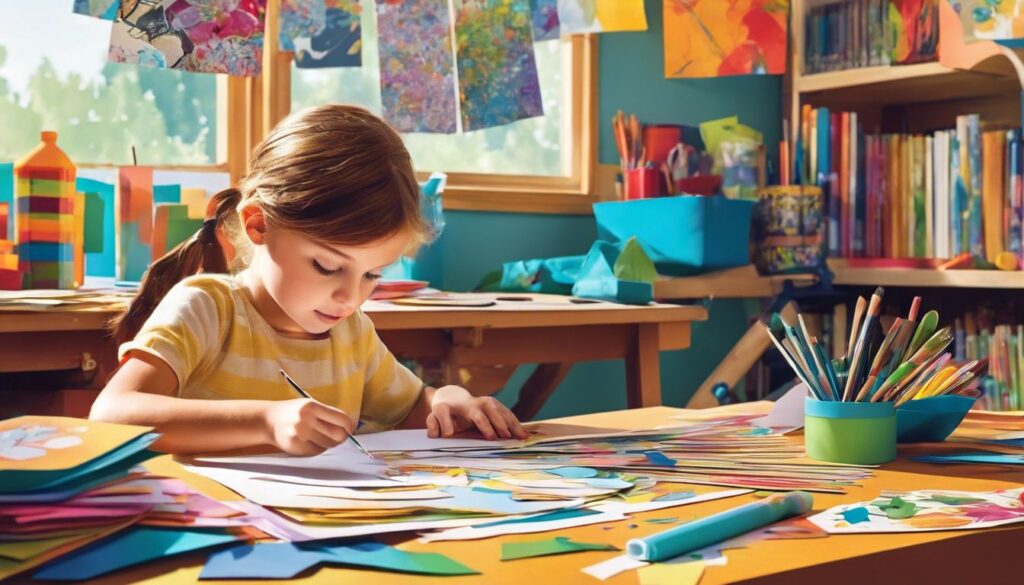
As we weave through the vibrant tapestry of online preschool education, so many of us parents find ourselves on a quest—a quest to ignite and sustain our kids’ excitement for learning in this digital frontier.
Often, it’s like piecing together a puzzle: How do we blend those interactive screen lessons with hands-on activities that light up their little eyes with wonder and help their skills blossom?.
You’re not alone in pondering this at all hours. Indeed, did you know that arts and crafts are more than just busywork? They’re secret doorways to critical thinking and problem-solving—skills crucial for our young ones’ development.
We’ve rolled up our sleeves and delved into research to bring you just the treasure trove you need.
Our latest blog post is chock-full of DIY craft projects crafted (no pun intended!) especially to enrich your child’s online learning adventure. These easy-to-pick-up activities are more than mere diversions; they’re stepping stones to invaluable moments of skill-building play.
So let these crafts transform every click and scroll into an opportunity for imaginative growth! Eager for some fun? Let’s turn the page—there’s a whole universe of creativity waiting to unfold!
Key Takeaways
- DIY craft projects enhance online preschool learning by developing critical thinking, problem-solving, and fine motor skills.
- Engaging in arts and crafts like creating postal services or pine cone bird feeders boosts children’s creativity, self-expression, and cognitive abilities.
- Preschool crafting activities foster social skills through collaboration and sharing while also promoting confidence and emotional development.
- Easy-to-do crafts using everyday materials like toilet roll binoculars or washi tape paper plates make learning fun without added costs.
- Hands – on projects such as sorting colors or making pasta necklaces supplement digital education with tactile experiences that reinforce concepts.
Importance of Arts and Crafts in Child Development

As we explore the world of online preschool learning, let’s not forget the irreplaceable role that arts and crafts play in nurturing young minds. These creative endeavors are more than just fun activities; they serve as vital tools for growth, touching on multiple facets of child development that lay the groundwork for a bright educational journey ahead.
Enhancing fine motor skills
Fine motor skills play a crucial role in child development, and diving into arts and crafts is like opening a door to a world of dexterity. Each time little hands grasp pencils for coloring or manipulate clay into shapes, they’re not just having fun; they’re building the precise movements that are essential in everyday tasks.
Picture your children tying their shoes, zipping jackets, or writing their names – these all require fine motor skills. Educational crafts offer an enjoyable way for them to develop these abilities while expressing themselves creatively.
We know you want to boost your kids’ confidence and self-identity through positive experiences. That’s why our DIY craft projects are designed with both joy and learning in mind. They’ll beam with pride as they showcase their handmade creations from pasta necklaces to painted rocks, each project gently enhancing their coordination and control.
Next up: Encouraging creativity and imagination!
Encouraging creativity and imagination
We understand how vital it is for little ones to put on their thinking caps and dive into a world of make-believe and wonder. Our DIY craft projects are designed not just to pass the time but to spark that creative fire within each child.
They get a chance to invent their own stories, mold unique creations, and even solve problems in ways only their boundless imaginations can conceive.
Let’s give our children the tools for self-expression through these crafts. As they mix colors, shape materials, and bring their ideas to life, they’re developing important cognitive skills while also nurturing their emotional development.
Crafting isn’t just about following instructions; it’s an exploration of thoughts and feelings—a way for kids to communicate without words. And when they hold up that finished craft with beaming pride, we see more than just an art project; we witness the growth of self-confidence right before our eyes.
Promoting self-expression
Crafting offers kids a vibrant palette for expressing what’s churning inside their little minds. It turns emotions and ideas into something colorful, tangible, and often quite unexpected.
As parents, we see our children transform simple materials into expressions of their unique personalities. They revel in the joy of making something that says “this is me,” which reinforces their sense of identity and boosts confidence.
Let’s set up spaces where our preschoolers can freely explore textures, shapes, and colors without worrying about messes or mistakes. Each time they pick up a brush or mold clay with their hands, they’re not just playing; they’re communicating in the rawest form.
This non-verbal channel opens doors to understanding our children better as they weave stories through their creations – strengthening emotional bonds while paving roads for cognitive development.
Developing cognitive skills
We know how crucial it is to develop our children’s cognitive skills early on. Engaging them in arts and crafts activities does more than just fill the time; it sharpens their brains.
As they learn to recognize colors and shapes, they’re not just having fun—they’re boosting their visual-spatial awareness. Sorting through beads or cutting out patterns lays a foundation for mathematical thinking that goes beyond the numbers.
Let’s give our preschoolers tools that build reasoning abilities in ways that captivate their curious minds. Choosing which crayons to use for leaf rubbings, or sequencing colorful pasta for necklaces, encourages logical thought processes without them even realizing it’s happening.
They make decisions, solve problems, and understand sequences while creating something beautiful—what better way to prepare them for the world ahead?.
Boosting confidence and self-esteem
As our little ones grow their cognitive skills with DIY crafts, they’re also laying the foundation for a robust sense of self-worth. Tackling and completing craft projects empowers children with the knowledge that they can achieve their goals.
The pride in showing off a handmade creation is more than just cute; it’s a crucial step in nurturing their confidence. Let’s encourage them to dive into these activities where every snip, glue, and colorful stroke adds to their belief in themselves.
Crafting isn’t only about keeping busy; it’s an investment in emotional strength. As parents, we see firsthand how creating art from simple materials at home translates into big smiles and even bigger boosts in self-esteem.
Every time our preschoolers place the last bead on a necklace or add the final touches to a homemade card, they’re not just crafting—they’re building up an internal reservoir of confidence that shouts loud and clear: “I made this!” These accomplishments give kids tangible proof of what they can do, fostering an enduring trust in their own abilities as they prepare to take on new challenges outside of arts and crafts.
Fostering social skills
Crafting together is more than just fun; it’s a vital part of helping our kids learn how to interact with their peers. Through sharing scissors, passing the glue stick, and choosing colors together, they pick up essential social skills.
They practice patience while waiting for their turn and master the art of cooperation as they work on group projects.
Let’s provide space for our children to communicate effectively during craft time – discussing who gets to use what material and deciding collectively what masterpiece they will create next.
These moments are golden opportunities for them to build friendships, navigate through disagreements amicably, and acquire conflict resolution abilities that will serve them well in any social setting.
DIY Craft Projects for Preschoolers

Embracing the vibrant world of DIY craft projects presents an exhilarating way to enhance your little one’s online preschool experience. We’ve curated a selection of hands-on activities designed to spark joy and learning, ensuring that screen time is beautifully balanced with tactile, creative play.
Create a home postal service
Let’s transform our homes into hubs of creativity with a home postal service! Imagine the excitement on our little one’s face as they send and receive letters, crafted by their own hands.
It’s not just about fun; this activity sharpens fine motor skills as children fold paper, stick stamps, and write addresses.
We’ll save precious time too because everything needed for the activity is delivered right to our doorstep. No more hours spent hunting for materials. Kids get a kick out of being mail carriers in their very own house while learning valuable social skills—taking turns sending and receiving mail teaches patience and understanding between siblings and friends.
This engaging craft does wonders for cognitive development without making it feel like work. Together we are setting the foundation for lifelong learning through play.
Toilet roll binoculars
Moving from delivering imaginative mail with our home postal service to exploring the world around us, crafting toilet roll binoculars is another fantastic activity that keeps little hands busy and minds sharp.
We take those empty rolls, which might otherwise be discarded, and transform them into something magical. Not only do these pretend-play tools help preschoolers harness their inner explorers, but they’re also a brilliant way to introduce recycling concepts.
They’ll have fun searching for birds or spying on backyard creatures while practicing hand-eye coordination.
Together, we can guide our children through painting and decorating their personalized binoculars, attaching string for easy carrying. This craft doesn’t just lay the groundwork for gross motor skills; it opens doors to literacy as kids label and narrate their adventures.
Their language development takes flight as they describe what they see through their cardboard lenses—fostering creativity without even stepping out of the playroom.
Contact paper suncatchers
We all love adding a splash of color and creativity to our homes, and what better way than with contact paper suncatchers? They’re the perfect project to spark your child’s imagination.
Our little artists can pick out their favorite shades and shapes while they learn about colors and patterns. Grab some contact paper, tissue papers or leaves, and let’s get crafting! They simply stick on the colorful pieces in any design that tickles their fancy–and voila! A stunning suncatcher that dances with the sunlight.
These delightful creations not only brighten up windows but also bring valuable lessons right into your living room. As parents, we’re always looking for ways to connect nature with learning; incorporating leaves or flower petals into suncatchers does just that.
It’s a tactile experience reinforcing what preschoolers are discovering about the natural world online. After watching those smiles light up as they hold their art against the window, take a peek at our next activity: DIY pasta necklaces.
DIY pasta necklaces
Let’s dive into crafting DIY pasta necklaces, a hit with our little ones that not only bring out bursts of giggles but also forge key developmental milestones. Picture the kitchen table spread with colorful pasta shapes as your preschooler threads them onto string; it’s affordable, it sparks joy, and yes, it boosts their fine motor skills impressively.
This hands-on activity is perfectly suited for supplementing online lessons, giving children the chance to touch and create while they learn.
Imagine the pride on their faces when they drape their finished necklace around their necks or present it as a gift to someone special. These simple yet meaningful projects lay the groundwork for cognitive development as kids sort through various sizes and colors of pasta, planning out patterns in an array of hues.
They’re honing hand-eye coordination all while expressing themselves artistically—and we haven’t even mentioned how this builds up their confidence! Whether at home or complimenting digital curriculum activities, these nifty noodles offer an educational craft experience that both you and your subscribers will cherish.
Sorting colors activity
From threading pasta to sorting hues, our crafting adventures continue with a fun and educational twist. The sorting colors activity is not just about playing with a rainbow of shades; it sets the stage for preschoolers to dive into a world where they can sharpen their cognitive abilities through color recognition and categorization.
We gather different colored objects from around the house—buttons, pom-poms, or blocks—and challenge our little learners to sort them by color. This seemingly simple task is packed with learning potential; it builds visual-spatial awareness and lays down the groundwork for math skills like sequencing and pattern recognition.
It’s hands-on learning at its best, providing plenty of opportunities for children to make decisions, solve problems and understand concepts that are essential in their growth journey.
Pine cone bird feeder
Let’s gather some pine cones and transform them into delightful bird feeders that will captivate our little ones’ attention. Crafting these natural hangouts for feathered friends not only nurtures a sense of creativity but also instills an awareness of the importance of caring for wildlife.
We’ll be helping our children develop their fine motor skills as they spread peanut butter on the rough surfaces and roll the sticky cones in birdseed.
Engaging with this activity, we encourage our preschoolers to venture outdoors, fostering their innate curiosity about nature and its inhabitants. As birds flock to these hand-made feeders, kids experience firsthand the joy of interaction with wildlife.
Moreover, crafting together is a brilliant way for children to learn cooperation and social skills, making it more than just another craft – it’s an opportunity for meaningful connection and teamwork among young minds intent on exploration.
Pipe cleaner structures
We love getting creative with pipe cleaner structures, a favorite among children’s activities that help enhance fine motor skills and creativity in preschoolers. It’s fascinating to watch little hands bend and twist these flexible sticks into a variety of shapes and characters.
They’re perfect for making everything from tiny animals to fairy tale castles, providing endless opportunities for imagination.
Creating with pipe cleaners offers an easy way for parents to engage their kids during online lessons. Mixing in colorful beads or pairing them with other craft supplies can bring any lesson to life, allowing children to make connections between what they learn onscreen and the tangible world around them.
We find this hands-on approach not only bolsters engagement but also aids in the development of important cognitive skills through play.
Designing silly sieve hats
Let’s dive into crafting silly sieve hats, a delightful project that sparks imagination and self-expression in our little preschoolers. It starts with selecting a kitchen sieve, ideally one that is lightweight and has a handle.
We decorate these sieves using an assortment of craft supplies like feathers, pom-poms, glitter, stickers or even colorful pipe cleaners. Parents can assist their kids in threading items through the holes or wrapping them around for added texture and fun.
Assembling these whimsical headpieces allows children to exercise their fine motor skills while exploring various textures and materials. Encourage your preschooler to explain their design choices; this promotes cognitive skill development as they articulate thoughts and decisions during the creative process.
Each silly hat becomes a unique testament to where creativity can lead when we provide engaging activities alongside online lessons—it’s hands-on learning at its most joyous!
Sticker names
Crafting sticker names sparks joy and learning in our little ones, touching on everything from fine motor skills to self-expression. We guide them as they peel colorful shapes and letters, arranging them into their very own name.
This not only cements their sense of identity but also hones their dexterity with each tiny adjustment.
Our preschoolers beam with pride over these creations, a testament to how such simple activities can bolster confidence and cognitive development. They learn the power of words while engaging in an art project that doubles as a playful introduction to spelling.
Sharing stickers turns into a lesson on cooperation and social interaction, reinforcing positive behavior through crafty fun. Moving forward, we explore the vibrant world of crayon leaf rubbings, another hands-on project just around the corner.
Crayon leaf rubbings
Moving on from creating fun sticker names, let’s dive into the simplicity and wonder of crayon leaf rubbings. We gather different leaves with our little ones during a nature walk, sparking conversations about the shapes and textures we find.
Back at home, they place a leaf under paper and eagerly scribble away with their favorite crayons. As colors blend and patterns emerge, not only does the room fills with excitement but also an understanding of nature’s diversity grows.
This easy craft not only connects kids to the world outside—it hones their fine motor skills as they maneuver crayons over paper, revealing intricate details of each leaf’s unique vein structure.
It’s thrilling for them to see how gently rubbing a crayon can bring out such magical textures! This activity blends beautifully with online preschool themes – whether it’s learning about autumn foliage or spring growth – providing a hands-on complement that brings lessons to life right before their eyes.
DIY stamps
We love getting crafty with items that are already around the house, and turning them into DIY stamps is a perfect example of this kind of creativity. It’s amazing to see our preschoolers’ eyes light up as they press their homemade stamps onto paper, creating unique patterns and designs.
They’re not just making art; they’re honing their fine motor skills and hand-eye coordination with every stamp they make.
Let’s gather some everyday objects like bottle caps, sponges, or even carved potatoes for an afternoon filled with stamping fun. Our youngsters put on their artist hats and dive into a world where each impression on the page boosts their confidence and self-esteem – it’s art with a strong sense of accomplishment! The process encourages them to express themselves freely while staying engaged during online lessons since nothing spices up learning like hands-on interactive activities.
Next, let’s add some color to our day by exploring how washi tape can transform plain paper plates!
Washi tape paper plates
Moving on from handmade stamps, let’s explore the colorful world of washi tape paper plates. With their vivid patterns and ease of use, these tapes transform plain paper plates into vibrant crafts that captivate young minds.
Preschoolers can tear, cut, and stick washi tape onto paper plates to create everything from wall art to fancy masks—letting their imaginations run wild without the need for scissors or glue.
These crafting sessions aren’t just about making pretty things; they’re a workout for little fingers as well. As kids concentrate on placing strips of washi tape in intricate designs or along the edge of a plate, they improve their fine motor skills and hand-eye coordination.
Plus, every time they peel off a piece of tape or smooth it down with their fingertips, preschoolers are unknowingly practicing essential movements that will help them later in life with tasks like writing and buttoning clothes.
Clothespin dragonflies
Crafting clothespin dragonflies with our kids lets us watch their fine motor skills, creativity, and imagination take flight. As we select colorful papers and markers to decorate the wings, we’re also guiding them through a playful exploration of colors and shapes.
This not only brightens up our craft time but also plays a crucial role in their cognitive development.
We love that making these whimsical creatures doesn’t require an expensive trip to the craft store; everyday materials work just fine. Our children beam with pride as they clip their finished dragonflies around the house or garden, turning ordinary spaces into enchanting scenes.
It’s incredible how such simple supplies can be transformed into a magical indoor forest where little fingers learn and grow.
Melted bead suncatchers
We can create magical melted bead suncatchers that are not only beautiful to look at but also fantastic for our preschooler’s development. This fun craft involves arranging colorful plastic beads on a metal baking tray and then watching the wonder in their eyes as the beads melt together in the oven.
Once they’re cool, we have dazzling suncatchers that catch the sunlight in a rainbow of colors.
Making these suncatchers teaches our little ones about science—how heat transforms materials—and gives them a hands-on experience with design and color. As they carefully place each bead, they fine-tune their motor skills and let their creativity flow freely.
Next up, let’s dive into how soda bottle flower stamping can bring another layer of fun and learning to our craft time!
Soda bottle flower stamping
Gather your empty soda bottles and get ready for an adventure in flower stamping that your little ones will adore. This craft project not only unleashes preschoolers’ creativity but also develops their fine motor skills as they dip and press to create a garden of vibrant flowers on paper.
The bottom of the bottle serves as the perfect floral stamp, allowing children to explore colors and patterns while making their unique masterpieces.
Let’s transform everyday materials into tools for artistic expression with soda bottle flower stamping; it’s a fantastic way to complement online lessons with a tactile learning experience.
Watch your child’s eyes light up as they grasp the bottle, swirl it in paint, and firmly press down to reveal petal prints that bloom right before them. It is an interactive activity that promotes cognitive growth while ensuring lots of fun!
Painted pasta necklace
Let’s dive into making painted pasta necklaces, a simple yet wonderfully creative craft that supports your child’s development in so many ways. Grab some dried pasta, a variety of paint colors, and string, and watch your little ones enhance their fine motor skills as they carefully paint each piece of pasta.
They’ll love the feeling of accomplishment as they slide their colorful creations onto the string to form unique patterns.
As we guide our preschoolers through this hands-on activity, it does more than just keep them busy; it lays the groundwork for hand-eye coordination and color recognition. Chat with them about different shapes and patterns they can make—this sparks not only creativity but conversation too! Preschoolers get to explore their artistic abilities while developing crucial cognitive skills simultaneously.
This easy-to-setup craft invites children to express themselves freely and provides an ideal complement to online preschool lessons, all without breaking the bank or needing fancy supplies.
Rainbow tree
We love getting crafty with our preschoolers and the rainbow tree project is a vibrant way to connect art with nature. Using materials you likely have around the house, we guide little hands in assembling a colorful tree that seems straight out of a whimsical storybook.
This activity isn’t just about making something pretty; it’s also great for honing fine motor skills as kids cut, glue, and arrange each piece.
Crafting this rainbow tree fuels their imagination and invites them to mix colors in new ways. Pushing creativity further, we ask children to think about what magical creatures might live under their rainbow trees or what kinds of fruit these fantastical plants might bear.
Every time they engage in projects like this one, preschoolers not only build important cognitive skills but also gain confidence through self-expression.
DIY caterpillar dreamcatcher
Let’s craft a caterpillar dreamcatcher that not only tickles the fancy of our little ones but also sharpens their fine motor skills. With some colorful yarn, beads, and a small embroidery hoop, kids weave their dreams into this charming creation.
They’ll pick their favorite colors, threading beads and feathers onto the strings with excitement. This activity isn’t just fun; it promotes self-expression and individuality as each child makes a piece uniquely theirs.
Gather everyday materials from around the house to get started on your caterpillar dreamcatcher. Guide your preschoolers through winding yarn for the body and adding embellishments that capture their spirit and imagination.
As they loop and tie, watch their tiny hands master coordination and precision – crucial skills for burgeoning minds. Integrating this tactile project with online lessons can be seamless, enriching digital education with an interactive twist that brings joy to learning.
Outdoor name art
We all love watching our little ones embrace their creative sides, especially when it’s through fun and educational activities like outdoor name art. This project encourages them to step outside, breathe in the fresh air, and engage with their surroundings while they learn.
Picture your preschooler gathering sticks, leaves, or flowers to craft each letter of their name. It’s a hands-on experience that gets them excited about spelling and introduces them to the joy of creating something unique.
Outdoor name art isn’t just enjoyable; it builds important skills too. As children arrange natural materials into letters, they’re honing fine motor abilities vital for writing later on.
Plus, every twig placed and petal added is an exercise in self-expression—each child’s artwork reflects their distinct personality! They learn how earthy elements can transform into personalized masterpieces reflecting who they are.
Now let’s turn up the fun even more with our next activity: paper towel art!
Paper towel art
Diving into paper towel art, we unlock a world of creativity for our little ones. This craft is so easy and affordable; every home has paper towels, and with just a few drops of food coloring or watercolor paints, preschoolers can create wonderful designs that teach them about colors and how they mix.
As they dab and blend the hues onto the absorbent paper towels, their fine motor skills sharpen up like pencils ready for drawing.
Our children beam with pride as they watch the colors travel across the paper towel, creating unique patterns that are entirely their own masterpieces. There’s no right or wrong here—it’s all about letting their imaginations run wild.
Through this engaging activity, we observe as it builds not only their artistic abilities but also boosts confidence in what they can achieve with simple materials at hand. Let’s lay out some paper towels and see where their creativity takes them today!
Sponge painting
Let’s grab some sponges and paint to help our little ones dive into a world of color and texture! Sponge painting is not just about making pretty pictures; it’s a fantastic way for kids to improve their hand coordination while having fun.
With every dab, swirl, or stamp, preschoolers are enhancing fine motor skills as they navigate through the exciting process of mixing colors.
We can watch their eyes light up with wonder as they discover how different textures create unique patterns on the page. Sponge painting paves the way for endless artistic exploration, sparking creativity and imagination in young minds.
It allows children to experiment with color blending and absorption, which in turn promotes cognitive development without them even realizing they’re learning crucial concepts through play.
Let’s set up our sponging stations—this is going to be messy but so rewarding for their growth!
Little pebble monsters
We understand how much you cherish those moments when your little ones showcase their creative spark. The little pebble monsters project is a fun way to harness that energy! Grab some smooth, flat stones and let’s dive into some paint.
We’ll slather these quiet canvases in bright, bold colors. Then with a few strokes, we bring to life a multitude of expressions. It’s more than just an art activity; it’s a playful method for your preschoolers to discuss emotions and feelings without having to find the right words.
Imagine the pride in their eyes as they mix colors and dab on features, creating their very own monster pals. As they carefully craft each pebble monster’s face, watch as your children’s fine motor skills sharpen like the pencils used for those tiny details.
These simple stones morph into conversation pieces—literally—as our kids explore non-verbal expression through this budget-friendly craft. It aligns seamlessly with online lessons about emotions or storytelling, adding hands-on excitement to digital learning experiences.
This easy and interactive task isn’t just creatively fulfilling; it fosters social interaction when friends or siblings compare their quirky creations or swap stones as tokens of friendship.
Toilet paper roll binoculars
Let’s dive into making toilet paper roll binoculars, a craft that is both entertaining and educational for our little ones. This project not only sparks their creativity but introduces preschoolers to the joys of recycling.
By taking common household items that might otherwise end up in the trash and transforming them into something new and exciting, we teach important lessons about reusing materials.
Crafting these binoculars also enhances hand-eye coordination while kicking literacy skills up a notch through playful learning. Imagine how thrilled children will be as they peer through their handmade binoculars, exploring the world around them with a tool they created! It’s an adventure waiting to happen right in your living room.
After this project, get ready to brighten up your windows with the colors of light by creating contact paper suncatchers.
Can binoculars
Crafting can binoculars with our kids is not only a fun and engaging activity but also a fantastic way to step up from basic toilet roll crafts. We’ll take empty cans, which would otherwise be thrown away, and transform them into an imaginative plaything that enhances hand-eye coordination and fosters language development during pretend explorations.
Our children will love decorating their can binoculars with colorful tapes, stickers, or paints, giving personal flair to their new toy.
Next up on our crafting adventure are popsicle stick kitties – another delightful project that combines artistry with imagination and promises lots of joy for our little ones as they bring their creations to life.
Popsicle stick kitty
Let’s dive into creating a popsicle stick kitty, an adorable and simple craft that captivates the hearts of our little ones. As we gather popsicle sticks, paints, markers, and glue, we’re not just setting up for a fun activity; we’re preparing an engaging canvas for our preschoolers to hone their scissor skills and hand coordination.
Picture the excitement as they choose colors to paint their kitty – each stroke boosting their confidence in making something uniquely theirs.
Our children love bringing imaginary characters to life, and this craft project opens a door for endless creativity. They’ll cut out tiny ears, draw whiskers with focus, and personalize their kitties with bits of fabric or sequins for sparkling eyes.
It’s more than crafting; it’s about letting them express emotions through art while developing fine motor skills seamlessly alongside digital lessons. Watch as they proudly exhibit their handmade kitties during your next online preschool session!
Leaf prints
We find joy in watching our preschoolers get their little hands busy with leaf prints, a craft that draws them closer to the wonders of nature. With each press and peel, they unveil the intricate patterns of leaves onto their canvases, sparking conversations about the environment while honing their fine motor skills.
Grabbing a leaf from outside turns into an adventure in art for even the most budget-conscious among us. We guide our children as they brush paint over their chosen leaves and create beautiful impressions on paper—every print a decision made, every color mixed a burst of creativity unleashed.
This simple yet profound activity fills their world with colors and shapes, offering endless possibilities for imagination without straining our wallets or schedules.
Craft stick snakes
After exploring the natural imprints with leaf prints, let’s shift our creativity to something that slithers and slides—craft stick snakes. These colorful creations are ideal for young minds eager to learn about the animal kingdom.
Grab some craft sticks, a splash of paint, and a couple of googly eyes; we’re ready to transform simple materials into vibrant serpents.
Crafting these snakes isn’t just fun; it also hones fine motor skills as little fingers glue, place, and decorate each piece. Watch your child’s imagination come alive as they design their own patterned snake.
It’s rewarding to see how such an inexpensive activity can lead to priceless outcomes in terms of growth and self-expression – all from the comfort of your home!
Pool noodle boats
Let’s dive into creating pool noodle boats, a crafty project that not only entertains but educates our little ones. These colorful floaters are perfect for teaching the basics of buoyancy and water transportation, while our preschoolers get to enhance their fine motor skills and stretch their imagination.
By cutting sections of pool noodles and fashioning them into boats with the help of straws and foam sheets for sails, we’re setting sail on an engaging hands-on learning adventure.
Crafting these makeshift vessels encourages problem-solving as kids determine how to keep their boat afloat or steer it through waters. Whether in a bathtub at home or out in a kiddie pool, children will love experimenting with these creations.
We can even extend this activity by exploring themes around marine life or discussing different types of watercraft used around the world. Up next: Handprint sunflower – another fun way to bring creativity into play!
Handprint sunflower
We all love finding activities that blend fun with learning, and making a handprint sunflower does just that. It’s the perfect craft to enhance your little one’s coordination while sparking their creativity.
They’ll dip their hands in paint and press them onto paper to form bright petals around a brown paper center—each handprint is a petal, each flower unique as the child who made it.
This delightful project not only nurtures artistic expression but also improves those fine motor skills they need for writing later on. It’s budget-friendly, too; you’ll need nothing more than construction paper, some paint, and an eagerness to watch your preschooler beam with pride over what they’ve created.
Ready for the next art adventure? Let’s dive into magnet painting!
Magnet painting
Let’s dive into the world of magnet painting, a craft that blends the wonder of art with the magic of science. This activity not only captivates preschoolers but also teaches them about magnets and how they interact with different materials.
By moving a magnet underneath their paper, little artists can create swirls and strokes as magnetic forces pull the paint across their canvas, resulting in dynamic patterns and designs.
It’s an exciting way for kids to see science in action while expressing their creativity.
As parents, incorporating magnet painting into your child’s playtime is simple yet profound. Not only does it enhance fine motor skills through manipulation of the magnets, but it also encourages hand-eye coordination as children anticipate and observe the paint’s movement.
This fusion of sensory exploration with artistic creation sparks curiosity about both art and science—an ideal blend for developing young minds ready to tackle more complex concepts like color mixing or understanding polarity.
Moving on from indoor activities opens up even greater opportunities: consider taking learning outside where nature can inspire your next project together!
Outdoor Educational Activities to Complement DIY Crafts
Outdoor educational activities can be a fantastic way to extend the learning and fun of DIY crafts. They connect children’s creativity with the natural world, reinforcing their lessons in engaging ways.
– Take your kiddos on a leaf hunt and turn their finds into art. Children love choosing different leaves, examining their shapes, colors, and textures. Back at home or in the classroom, they can press these leaves onto paper to create beautiful prints that encourage both artistic expression and scientific observation.
– Craft small boats from recycled materials and race them in a nearby stream or pond. This hands-on project not only brings joy but also teaches buoyancy and water currents as kids watch their creations navigate the waters.
– Organize an animal exploration session where children use binoculars crafted from toilet rolls to observe birds or insects outside. It combines craft-making skills with learning about local wildlife habitats and behaviors.
– Engage little ones in magnet painting outdoors by using magnetic objects to move paint across a page on metal trays or boards. It’s like magic for preschoolers as they learn about magnetic forces while mixing colors creatively.
Each of these activities helps foster an appreciation for nature while developing essential cognitive abilities through playful experiences outside the traditional indoor classroom setting.
How to Incorporate DIY Crafts into Online Lessons
We understand the challenge of keeping little ones engaged through a screen, which is why we recommend integrating hands-on DIY crafts into your online lessons. Start by planning a craft that ties in with the lesson’s theme, ensuring it utilizes materials most families have at home or can easily get.
During your virtual class, demonstrate each step live and encourage the children to follow along, fostering their fine motor skills and creativity right before your eyes. Allowing time for show-and-tell gives every child a moment to shine, boosting their confidence as they present their masterpieces.
To make these crafting sessions smooth and enjoyable for everyone involved, send out a simple list of needed supplies ahead of time along with any templates or printables required.
Use brightwheel’s Experience Curriculum digital resources to pair specific crafts with corresponding lessons seamlessly; this way, you’re delivering a well-rounded educational experience while adding an element of fun.
Moving forward from DIY crafts in online learning environments harnesses resourcefulness and ingenuity — let’s keep enhancing our kids’ education experiences together! Now that we’ve tackled incorporating arts into digital classrooms let’s explore outdoor activities that complement these artistic endeavors.
Conclusion
Let’s get crafting and watch our little ones shine! These DIY projects not only pair wonderfully with online preschool lessons but ignite a world of imagination and growth. As they glue, cut, and color, children build essential skills that will serve them throughout their lives.
Grab those art supplies and create meaningful learning experiences right at home. Together, let’s turn every lesson into an opportunity for creativity and fun!
FAQs
1. What benefits do DIY craft projects offer for online preschool lessons?
DIY craft projects complement online preschool lessons by enhancing children’s creativity, improving their motor skills, and providing a hands-on learning experience that can reinforce the lessons they learn online.
2. Can parents easily find DIY craft ideas to match what kids learn in online preschool?
Absolutely! Parents can checkout various resources like educational websites, crafting blogs, and even social media platforms where they often share simple and educational DIY craft projects perfectly suited for preschoolers.
3. Are materials for these crafts expensive or hard to find?
Craft materials don’t have to break the bank; many projects utilize common household items or low-cost supplies that are readily available at local stores or can be ordered online with ease.
4. How much time should be allocated to complete a DIY craft project during homeschooling sessions?
Time varies per project but setting aside 20-30 minutes allows children enough space to enjoy crafting without feeling rushed, offering a pleasant break from screen-based activities.