

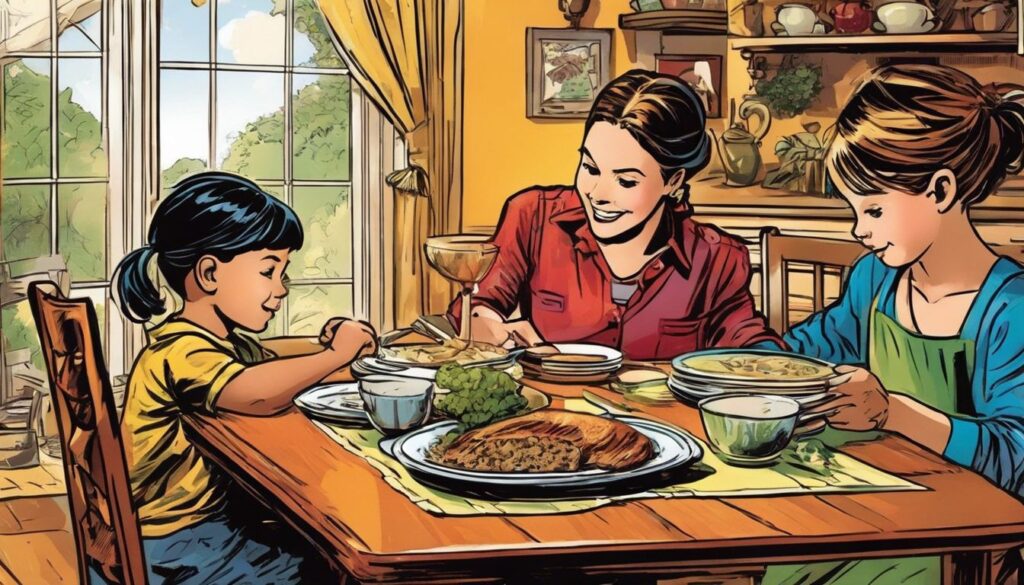
As we marvel at the growth spurts and changing interests of our little ones, it’s a heartwarming reminder that life’s lessons go well beyond the standard ABCs and 123s. Watching them grasp a sponge or sift through flour with focused determination shows us that these seemingly small tasks are stepping stones to independence.
For any parent who has felt a twinge of anxiety contemplating how to gear up their children with essential life skills, take comfort—you’re in good company.
Parenting is an adventure filled with shared discoveries, and believe me, figuring out which home economics activities are age-appropriate can be as challenging as deciphering your toddler’s latest art masterpiece.
There’s beauty in this journey, though: we’ve sought advice, learned from experience, and are eager to pass on some wisdom.
The valuable lesson here is that nurturing practical life skills doesn’t just pave the way for future self-sufficiency; it enriches young minds with confidence and instills an admirable sense of responsibility.
Our aim is to offer you a roadmap—a guidebook tailored for different ages—to help you impart important know-hows like meal preparation or budget savvy in ways that truly click with your kids.
So let’s roll up our sleeves together! It’s time to transform routine household tasks into exciting milestones for learning and growth.
Key Takeaways
- Introducing kids to age – appropriate chores, such as toddlers picking up toys and teens budgeting an allowance, equips them with practical life skills for independence.
- Engaging children in cooking, gardening, sewing, and basic home maintenance fosters creativity, responsibility, and self-reliance while enhancing their motor skills.
- Utilizing modern rewards like apps for point systems can motivate kids to complete tasks by making chores interactive and rewarding.
- Assigning specific daily tasks and using visual progress charts helps make household duties a consistent part of a child’s routine.
- Involving kids in household chores from an early age teaches them teamwork and contributes to their development into capable adults who value contribution to family life.
Importance of Home Economics for Children

Home economics skills lay the groundwork for children’s lifelong self-reliance and competence. We know it’s more than just cooking or sewing; it’s about nurturing crucial life capabilities.
These tasks, far from being menial, empower kids with decision-making, problem-solving, and time management prowess. Through meal planning and preparation, they grasp nutrition essentials while gaining a sense of accomplishment when they serve pancakes or macaroni & cheese to the family.
In our homes, these lessons go beyond the kitchen as children learn money management by helping with grocery budgets or saving their pocket money. House cleaning becomes less daunting when kids view each task through a lens of contribution and care for their own spaces like bedrooms and play areas.
Even young ones benefit immensely; toddlerhood is an excellent time for them to absorb table manners and simple chores that shape their social learning process in tangible ways. Engaging in home economic skills fosters creativity in children because every day presents a new set of problems to solve—whether it’s fixing a toy or choosing what goes into their lunches—and we guide them at each step.
Preparing for Kindergarten: Essential Skills Your Child Needs

As parents, we understand that preparing our little ones for kindergarten is crucial. It’s not just about ABCs and 123s; it’s about fostering practical life skills that will help them thrive in a classroom setting.
- Following Simple Instructions: Children should be able to listen to and follow simple two-step directions from adults. This skill is vital for participating in group activities and completing tasks.
- Recognizing Basic Shapes and Colors: Knowing their shapes and colors helps children understand the world around them and is a fundamental part of early education.
- Handling Scissors Safely: Cutting with scissors develops fine motor skills and hand-eye coordination, which are necessary for writing and art projects.
- Identifying Letters and Numbers: Basic literacy and numeracy are building blocks for further learning. Kids should recognize most letters and numbers from 0 to 10.
- Dressing Themselves: Being able to zip, button, and snap their own clothing empowers children with independence needed during school days.
- Sharing Toys With Peers: Sharing teaches kids about cooperation and is key for harmonious playtime with classmates.
- Using Restroom Independently: Bathroom independence ensures fewer disruptions in their daily school routine, allowing them more time to learn.
- Cleaning Up After Playtime: Tidying up teaches responsibility and respect for shared spaces – important traits in a community environment like a classroom.
- Practicing Hand Hygiene: Washing hands before meals and after using the restroom helps keep germs at bay, promoting a healthy classroom for everyone.
- Demonstrating Basic Table Manners: Knowing how to sit still during meal times makes the communal eating experience pleasant for all students.
Age-Appropriate Home Economic Skills
As we explore the realm of age-appropriate home economic skills, let’s guide our little ones through mastering essential tasks tailored to their growth stage that will not only equip them with practical life skills but also foster independence and self-confidence – continue reading for creative ways to engage your children in this valuable learning journey.
Cooking Skills
We all know the importance of cooking skills for self-sufficiency, and it’s never too early to start teaching our kids their way around the kitchen. Simple tasks like stirring batter or washing vegetables introduce them to the basics of food preparation.
As they grow older, we can guide them through more complex actions such as measuring ingredients, following a simple recipe, or even using kitchen gadgets with supervision.
Let’s empower our children by involving them in menu planning and grocery shopping. They’ll learn valuable lessons about nutrition while developing an appreciation for what goes onto their plates.
Encouraging them to prepare simple dishes—think scrambled eggs or assembling their own sandwiches—boosts confidence and lays the groundwork for healthy eating habits that last a lifetime.
It’s not just about making meals; it’s about nurturing life skills that blossom well beyond the dinner table.
Nutrition
Let’s teach our kids about the power of good nutrition by getting them involved in meal planning and preparation. This way, they can understand why a rainbow on their plate means more than just colorful food—it represents a variety of nutrients that keep them strong and healthy.
Explain how different foods fuel their bodies for playtime, learning, and growing. It’s all about making smart food choices that will stay with them as they grow up.
Encouraging children to pick out fruits and veggies at the grocery store or farmer’s market sparks curiosity about what they eat. When cooking together, we can show them simple things like how to prepare boiled eggs or assemble balanced tv dinners using fresh ingredients instead of processed ones.
Making these activities fun fosters lifelong habits of eating well—habits that are as important as any household chore on the chore chart.
Next up: let’s dive into sewing – an essential life skill that promotes creativity and independence in young minds!
Sewing
We understand the significance of sewing as a fundamental skill for young adults, and we’re eager to share ways to get our little ones started. Teaching them how to stitch on a button or mend a tear instills confidence and encourages self-reliance.
Begin with simple tasks, like threading needles and practicing basic stitches on scrap fabric. This hands-on experience not only enhances their fine motor skills but also sparks creativity as they learn to handle different materials.
Our role in nurturing these abilities is crucial, providing guidance while allowing room for mistakes and learning. As parents, we can turn this activity into an enjoyable bonding time by creating small projects together such as crafting a homemade pillowcase or doll clothes.
These moments are investments in our children’s development, equipping them with practical life skills that will serve them well into adulthood.
Housekeeping
Housekeeping isn’t just about keeping a tidy home; it’s an essential part of child development. As parents, we know involving our kids in tasks like cleaning up after meal times teaches them responsibility and self-sufficiency.
Younger children can start with simple activities such as putting away their toys, while older ones might manage more complex jobs like organizing the pantry or vacuuming living spaces.
Our role includes guiding them through these skills for lasting habits. In our e-book “Training Your Children in Home Economics,” you’ll find methods to teach your kids vital housekeeping abilities – from safe meal preparation to kitchen cleanliness and managing laundry duties efficiently.
These lessons offer practical, actionable steps that help foster independence in household maintenance while providing foundational life skills they’ll use well into adulthood. Let’s give our children the tools they need today for a cleaner, more organized tomorrow.
Gardening
We know that encouraging our kids to take up gardening can be a wonderful way for them to learn about responsibility while contributing meaningfully to family life. With small hands in the dirt, they not only watch their plants grow but also their sense of pride and ownership.
These young gardeners quickly grasp the value of caring for something over time – an experience that seeds patience and diligence in their budding personalities.
Let’s guide our children by assigning age-appropriate gardening tasks such as watering flowers, pulling weeds, or harvesting vegetables. They’ll delight in these activities while absorbing essential life lessons through nature’s classroom.
As they develop these vital skills, we make sure each moment spent tending to the earth enriches both their lives and ours. Next up: teaching them how to keep things clean with laundry chores – another step towards independence.
Laundry
Teaching our kids to handle laundry tasks is a step towards independence and responsibility. Start by showing them how to sort clothes by color and fabric type, making sure they understand why this matters.
Then, we can introduce the basics of operating the washer and dryer, setting the right cycles for different loads. It’s important they know not to overstuff the machines and how much detergent to use.
We also want our children to learn how to properly fold and put away their clothes. Let’s guide them through these steps with patience and encouragement, transforming laundry from a chore into a skill they master with pride.
As parents providing parental guidance in child-rearing, let’s make it fun by turning folding sessions into mini-lessons about caring for fabrics or timing them on putting things away efficiently.
They’ll be managing their own homes confidently before we know it!
Basic Home Maintenance
Let’s roll up our sleeves and dive into the world of basic home maintenance, a critical part of housekeeping that often goes unnoticed. We can show our kids the ropes by starting with simple tasks like changing light bulbs, tightening cabinet hinges, and replacing smoke detector batteries.
These activities not only keep our homes running smoothly but also instill a sense of responsibility in young ones.
We guide them through unclogging drains with baking soda and vinegar instead of harsh chemicals—making it safe for curious helpers. And isn’t it great when we all work together to replace air filters or clean out dryer vents? It reduces family stress and frees up time for those fun activities we cherish so much.
Engaging children in these chores is about more than just maintenance; it’s about equipping them with life skills they’ll use forever.
Money Management Skills
We can’t overlook teaching our kids the essentials of money management. It starts with simple lessons during everyday activities, like explaining why we choose one product over another at the grocery store because it offers better value for our hard-earned dollars.
We also make money discussions part of age-appropriate chores, connecting tasks to pocket money to instill a sense that work has value and rewards.
Introducing budgeting as they grow older is key; this involves showing them how to set aside savings from their allowance or chore earnings. Allowing them to make small spending decisions gives them real-world practice and responsibility.
This approach builds financial savvy in our youngsters early on, so by the time they’re teens, managing their resources wisely will be second nature. We guide them through making sensible choices now so that later on, they’ll navigate finances confidently and effectively as adults.
Pet Care
Caring for pets teaches our children about responsibility and compassion. Assign them tasks like feeding the dog, changing the water in the fish tank, or walking the puppy. These are simple yet effective ways to involve them in household chores that also impact another living being.
Always make sure these responsibilities match their age and abilities so they can handle them with confidence.
Instructing kids on proper pet care involves more than just completing a task; it’s about nurturing a sense of duty and empathy towards animals. Encourage them to notice when supplies are low or if something is amiss with a pet’s routine, grooming them into proactive caretakers.
This not only provides practical life skills but also fortifies the bond between child and pet, fostering an environment where both thrive.
Encouraging Participation in Household Chores
Getting our little ones involved in household duties isn’t just about lightening our own load; it’s a critical part of their development into capable, responsible adults. We’ll share effective strategies that make chores fun and engaging for children, helping them learn the value of contributing to family life.
Understanding Age-Appropriate Chores
We all want our kids to thrive and succeed in managing their own spaces one day. Teaching them age-appropriate chores is a surefire way to equip them with important life skills.
- Toddler Tasks: Even the littlest members of our family can pitch in. Toddlers can help pick up toys, wipe down low surfaces, or feed small amounts of pet food under supervision.
- Preschool Prep: Children around this age are ready to take on slightly more complex tasks like setting the table or helping to sort laundry by colors.
- Elementary Endeavors: Kids in elementary school can handle responsibilities such as making their beds daily, loading the dishwasher, or even using a crockpot with guidance for simple meals.
- Middle-School Milestones: We encourage middle-schoolers to step up their game. They start doing their own laundry, prepare basic meals independently, and manage more of their personal hygiene routines.
- Teenage Responsibilities: Teens learn valuable life lessons by budgeting an allowance, cooking full meals, mowing the lawn, or assisting with more significant home repairs.
The Debate: Should Kids Get Paid for Chores?
Paying kids for chores sparks a heated conversation among us parents. On one hand, it teaches valuable money management skills and provides an opportunity to understand the concept of earning.
They learn early that effort leads to rewards, helping them grasp real-world economic principles. Yet we also want our children to appreciate that contributing to the household is part of being a family member, not just a job with financial benefits.
Many of us believe in motivating children through praise and positive reinforcement rather than monetary compensation. Offering words of encouragement bolsters their self-esteem and reinforces the idea that helping out is a normal part of daily life.
We aim to instill intrinsic motivation in our kids so they take pride in their contributions without expecting a payout every time they load the dishwasher or tidy up their rooms.
Incorporating Chores into Daily Life: Tips and Tricks
Moms, integrating chores into your kids’ routines can build their life skills and promote teamwork. Let’s explore effective strategies to make household duties a natural part of your children’s daily life.
- Assign specific chores for each day of the week to create a predictable routine. Children thrive on consistency, and knowing what task is coming up helps them prepare mentally and physically.
- Make chores fun by turning them into a game or competition. Who can match socks the fastest or set the table most creatively? Reward the winner with an extra story at bedtime or choice of family movie.
- Involve your kids in chore planning by having a family meeting to discuss weekly tasks. This encourages negotiation skill development and gives them a say in household responsibilities.
- Use chore charts with stickers or magnets as visual progress indicators. They serve as motivation for young ones when they see their achievements right in front of them.
- Break down larger tasks into smaller, more manageable steps for younger children. Instead of cleaning their whole room, start with asking them to put books back on the shelf or toys in the bin.
- Lead by example and work alongside your children from time to time. Sharing housework shows that it’s a team effort and reduces stress within the family.
- Introduce concepts like “team clean – ups” where everyone pitches in for 15 minutes to tidy up common areas together. These quick bursts can have a dramatic impact on keeping your home organized.
- Offer praise liberally when children complete their chores well. Encouragement goes a long way in reinforcing good habits.
- Give older children more complex tasks that might involve decision-making or problem-solving, like meal planning or organizing a pantry, to develop critical thinking skills.
- Establish clear consequences for unfinished chores but be sure to communicate these consequences ahead of time so expectations are understood.
The Role of Modern Rewards in Motivating Children
We all want our kids to take on chores with enthusiasm, and modern rewards play a big part in making this happen. Today’s parenting toolkit includes digital apps for reward charts, setting up point systems, or even educational games as incentives.
These tech-savvy solutions grab children’s attention in ways that traditional methods may not. They can turn mundane tasks into fun challenges and offer instant feedback that reinforces good habits.
Using these innovative tools effectively requires us to understand what sparks our children’s interest. Offer choices within their preferred rewards; some might love earning extra screen time, while others would be thrilled by a new book or planning a family outing.
This choice gives them a sense of control and teaches decision-making skills. Keep the conversation going about which tasks they enjoy and how they feel about their accomplishments—it keeps them engaged and willing to participate in household responsibilities without it feeling like just another chore on their list.
Conclusion
Let’s empower our children with the life skills they need, one task at a time. Home economics isn’t just about getting chores done; it’s about preparing them for a bright and self-sufficient future.
Our kitchens become classrooms, and every laundry day is a lesson in responsibility. Keep it fun, keep it educational, and watch our little ones grow into capable young adults. Remember, every small skill we teach them plants the seed for success tomorrow.
For more information on essential skills to prepare your little one for kindergarten, check out our comprehensive guide here.
FAQs
It seems the keywords for Article 2 are missing. Could you please provide them so I can write appropriate FAQs for “Home Economics for Little Ones: Age-Appropriate Chores and Skills”?