

Understanding the challenges of internet safety can feel like a daunting task for any parent. The digital world is vast and ever-changing, often leaving us with more questions than answers when it comes to protecting our young ones.
You’re definitely not alone in this boat – we’ve all faced those moments where we wish for a simple solution to shield our children from online risks.
The good news? With nearly one-third of internet users being children, there’s been an innovative surge in educational approaches that specifically address online dangers. We’ve spent many hours combing through various resources to bring you storytelling methods that offer more than just engagement – they provide priceless e-safety lessons tailored for young minds.
What we’ve learned is this: Storytelling has evolved well beyond its traditional role at bedtime; now it’s a powerful ally in our mission to safeguard kids on the web. Join us as we delve into story-centric techniques that break down complex cyber security concepts into digestible stories that resonate with kids and stick with them long after the screen is off.
Let’s embark on this narrative journey together!
Key Takeaways
- Storytelling is a powerful tool in teaching kids about e – safety, turning complex concepts into relatable and memorable lessons.
- Digiduck stories offer engaging narratives that address real-world digital dilemmas, helping children to learn about internet etiquette, privacy settings, and the consequences of online actions.
- Books tailored for different age groups provide strategies for navigating the internet safely—look into titles like “When Charlie McButton Lost Power” for elementary learners or “Noah’s New Phone” for older kids.
- Virtual museum tours are creative avenues to discuss online behavior while enjoying interactive educational experiences from home.
- Essential principles of cyber security can be effectively taught through stories that entertain and educate, ensuring these important messages stick with young audiences.
The Role of Storytelling in Teaching E-safety

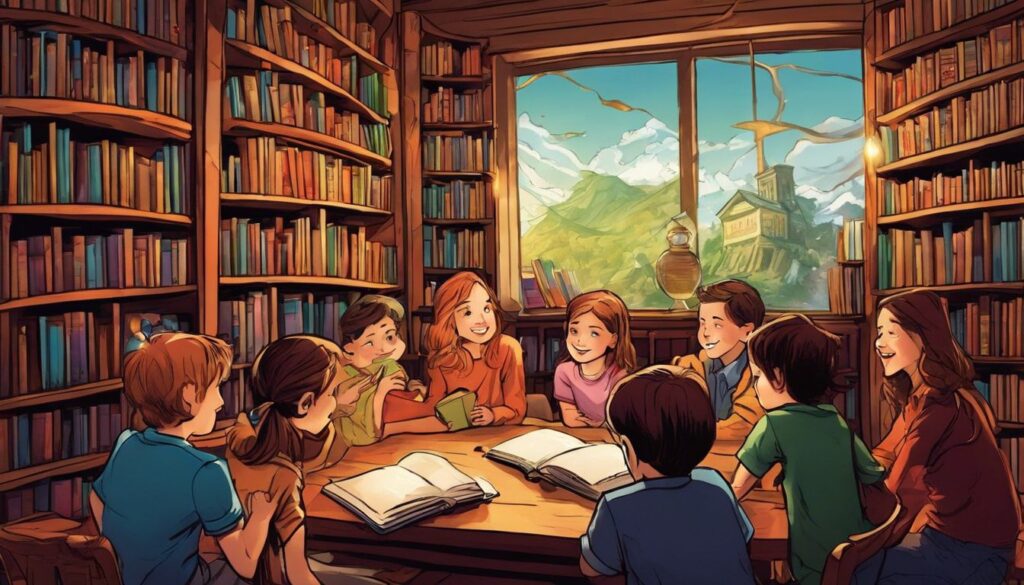
We recognize the power of a good story. Stories captivate children, drawing them into narratives that can both entertain and teach valuable lessons. This is especially true when it comes to internet safety.
While rules and warning signs are crucial, they often lack the emotional connection that storytelling provides. Through relatable characters and engaging plots, stories can illustrate cyberbullying’s impacts, reveal the dangers of oversharing online, and demonstrate why strong passwords matter.
By weaving important e-safety principles into compelling stories, we help kids visualize scenarios they might encounter on social media or while browsing online. They learn how to navigate digital spaces safely by seeing characters make choices about privacy settings or deal with the consequences of posting personal information.
This method fosters empathy and enhances understanding among learners in a way direct instruction sometimes fails to achieve. It prepares them for their own digital journeys ahead – one click at a time.
Moving beyond tales from books, let’s explore specific examples like Digiduck’s adventures which bring these abstract concepts down to earth for our young ones.
Overview of Digiduck Stories for Internet Safety

Dive into the vibrant world of Digiduck, a series crafted to engage kids in the essentials of e-safety through captivating narratives and relatable characters. These stories transform abstract internet safety concepts into concrete learning experiences for young minds, fostering critical thinking about their digital choices.
Digiduck’s Big Decision
In “Digiduck’s Big Decision”, young readers encounter a relatable scenario that helps them understand the importance of making smart choices online. Digiduck faces a dilemma that challenges his values and prompts him to navigate cyber safety scenarios with care.
This tale captures children’s imaginations, guiding them through the complexities of media literacy and internet etiquette in an age-appropriate manner. By following Digiduck’s journey, kids learn about personal privacy and the consequences of their actions in the digital world.
We explore this story because it fosters problem-solving skills and empowers children to handle situations involving online bullying or data privacy. It is essential for us to equip our kids with tools to deal with malicious content or social networking dilemmas responsibly.
“Digiduck’s Big Decision” serves as not just a story but also as a critical learning resource that aligns seamlessly with Childnet International’s mission: keeping children informed, engaged, and safe on the internet.
Digiduck’s Famous Friend
We often worry about our children navigating social networking sites, where online safety is a pressing concern. “Digiduck’s Famous Friend” tackles this head-on with a story that resonates with young readers.
Digiduck learns valuable lessons about the consequences of oversharing on social media platforms and how quickly things can spiral out of control when exposed to the vast audiences these platforms hold.
The tale provides expert insight through entertaining narrative, complete with tips and quizzes designed to equip kids with knowledge and tools for staying safe in the digital realm.
By engaging their curiosity, we empower them to make smart choices while enjoying all the benefits technology has to offer. Moving on from Digiduck’s adventures, let’s turn our focus towards Detective Digiduck and see what mysteries he unravels in cyberspace!
Detective Digiduck
In “Detective Digiduck,” our web-savvy hero takes on the challenge of solving internet mysteries that teach kids how to navigate online spaces responsibly. This story tackles issues such as cyberbullying and proper cell phone use, both crucial for maintaining e-safety among late elementary and middle school students.
Our children learn alongside Detective Digiduck to recognize signs of someone being cyberbullied and understand the importance of speaking up.
Through engaging narratives, Detective Digiduck equips young readers with the skills to spot malware attacks before they happen and explains why sharing personal information can be dangerous.
These tales offer more than entertainment; they provide a springboard for discussions about nonverbal communication in the digital world, enhancing our kids’ analytical capabilities when it comes to third-party cookies or suspicious emails.
Let’s guide our children through their online adventures with wisdom from Detective Digiduck’s investigations!
Digiduck Saves the Day
Building on Digiduck’s detective skills, “Digiduck Saves the Day” turns the focus toward action and responsibility. Our feathered friend faces a new challenge when he stumbles upon an online situation that smells of trouble.
This story empowers kids to recognize red flags in digital interactions and teaches them how to take positive steps to keep themselves and their friends safe. Digiduck leaps into action with bravery and smart thinking that model for our children how they can be heroes in their own right by standing up against cyberbullying.
This tale isn’t just about avoiding danger; it’s a launchpad for discussions with our young ones about digital citizenship and empathy. It shows them through engaging storytelling how spreading kindness, not rumors or hurtful comments, creates a safer space for everyone online.
With valuable lessons wrapped in an entertaining package, “Digiduck Saves the Day” offers parents like us practical tools to bolster our e-safety chats at home—tools that resonate with our kids long after the story ends.
The Impact of Social Stories on Internet Safety Education
Social stories have transformed the way we teach our children about internet safety. They create relatable and engaging scenarios that vividly illustrate both the dangers and proper behaviors in the digital world, making it easier for kids to understand and remember crucial e-safety principles.
Through characters facing online challenges, children learn to navigate cyber threats with wisdom and caution.
Utilizing these narratives helps us integrate essential lessons on privacy, respectful communication, and safe sharing into daily conversations. It fosters critical thinking among young internet users who are increasingly encountering complex issues like cyberbullying or exposure to inappropriate content.
We’ve seen how stories empower them with strategies for protection—because when kids connect with a character’s journey, they’re more likely to absorb vital information about keeping themselves safe online.
Book Recommendations for Teaching Online Safety to Kids
Discovering resources that empower and educate young minds on the complexities of the digital world is crucial for their protection. We’ve curated a selection of compelling books tailored to every age group, each one designed as a tool for parents to help children navigate online spaces safely and smartly.
Elementary Age Books
We understand that as parents, especially moms who juggle countless tasks, you want the best for your little ones. That’s why we’ve handpicked books tailored for elementary-aged kids to navigate the digital world safely and confidently.
“When Charlie McButton Lost Power” is a brilliant story that teaches children about life beyond screens. It reminds kids of the joys found in offline activities and encourages healthy screen-time habits.
Dive into “Berenstain Bears: Computer Trouble” to guide your children through the basics of computer etiquette and responsible usage. The beloved bear family makes learning about potentially complex topics like online safety both understandable and entertaining.
For conversations on appropriate internet behavior, “On the Internet: Our First Talk About Online Safety” breaks down key points into bite-sized wisdom perfect for young minds. And don’t overlook “Good Pictures/Bad Pictures Jr.” which tackles more challenging subjects with sensitivity suitable for their age group.
These stories pack powerful lessons into engaging narratives that resonate with children, laying a strong foundation for their digital lives ahead.
Books for Late Elementary and Middle School
Our children in late elementary and middle school face unique challenges as they navigate the digital world. They need resources that speak to their growing independence and help them make smart choices online.
That’s where books like “Diary of Elle Series,” “Petra’s Power to See: A Media Literacy Adventure,” and “Noah’s New Phone: A Story about Using Technology for Good” come into play.
These stories dive into topics such as online bullying, responsible cell phone usage, and the power of using technology positively.
Each book serves as both a mirror reflecting their own experiences and a window into new strategies for staying safe in an evolving virtual landscape. As our kids explore these narratives, they absorb vital lessons on e-safety in a way that sticks.
The engaging storylines captivate their minds while planting seeds of wisdom about digital citizenship—without ever feeling like a lecture or chore to read. It’s education through entertainment; an approach we’re confident will resonate with your tech-savvy youngsters.
Books for Teens
Moving on from resources for younger readers, let’s delve into books that cater to our teenagers’ complex digital lives. For older teens grappling with the nuanced world of online interactions, titles like “#Famous,” “Tell Me Three Things,” and “Simon Vs.
The Homo Sapiens Agenda” offer relatable narratives infused with lessons on navigating social media responsibly. These stories don’t just entertain; they mirror real-life scenarios where characters must make critical decisions about their digital footprint.
Teens also face unique challenges such as anxiety induced by online pressures. Books including “My Anxious Mind” and “Anxiety Sucks! A Teen Survival Guide” provide strategies to manage these stresses.
Exploring these reads can open up family discussions about maintaining mental well-being in a connected age. And if you’re looking to support community businesses while finding these gems, consider checking out ReConnect Bookstore for a thoughtful selection tailored to your adolescent’s needs and growth.
Exploring Virtual Worlds: Cultivating E-safety Awareness through Virtual Museum Tours
Virtual tours of museums offer a unique opportunity for our kids to learn about e-safety while exploring fascinating exhibits from the safety of home. They provide an ideal setting for parents and children to discuss online behaviors in engaging, yet controlled virtual environments.
– Start with a virtual tour at the Smithsonian National Museum of Natural History, where you can guide your child through different exhibitions while discussing how to navigate online spaces responsibly.
– Draw parallels between museum rules and internet etiquette; as we walk quietly through art galleries, we also need to communicate politely on digital platforms.
– Use interactive elements found in virtual tours like The Louvre’s Egyptian Antiquities collection to teach children about safe clicking practices, avoiding malware just as they would avoid touching fragile artifacts.
– Take advantage of analytics tools provided by some virtual museum experiences that allow you to track which parts of the museum your child is most interested in, mirroring how websites often use cookies and data tracking.
– Discuss the importance of posture during screen time after visiting lengthy exhibits such as The Vatican Museums’ 360-degree tour—good habits are essential both online and offline.
– Explore science-focused resources such as BrainPOP together afterward; these sites reinforce e-safety concepts using fun educational videos that compliment what they’ve learned during their museum visit.
– Educate them on cybersecurity through examples found within historical pieces or narratives told within museums—they’ll see that protecting information isn’t just a modern-day concern but part of human history too.
– Highlight stories from history presented by guides in places like The British Museum’s Virtual Tour; storytelling helps cement important lessons about communication and digital security principles.
– Encourage questions throughout these virtual visits – fostering curiosity will lead kids not only toward learning but also toward asking for help when encountering uncertainty online.
Conclusion
In the age of screens, safeguarding our kids’ online journeys is essential. Storytelling unlocks a world where lessons on e-safety resonate deeply with young minds. Let’s choose tales that empower and educate, fostering digital wisdom from the earliest swipes and clicks.
Together, we’re setting the stage for savvy internet use, one story at a time. Remember to pick up those gems from our booklist – they’re your allies in this vital mission.
FAQs
1. What is e-safety, and why is it important for kids?
E-safety means staying safe online. It’s crucial for kids because the internet can have dangers like bullying or inappropriate content that children should avoid to stay protected.
2. How does storytelling help teach kids about internet safety?
Storytelling makes learning about internet safety engaging for kids, including those with autism. By sharing stories, we can show them what safe behavior looks like without exposing them to actual violence or threats.
3. Can I find resources on e-safety storytelling at places like Amazon.com?
Absolutely! Amazon.com offers a variety of books and materials focused on writing stories that incorporate lessons on internet safety, making it easier for parents and educators to find suitable teaching aids.
4. Should I be worried about affiliate links when my child is online?
Yes, being cautious with affiliate links is part of e-safety since they might lead to sites not suited for children. Teach your kids how to recognize these links and encourage them to talk to you before clicking on anything uncertain.