

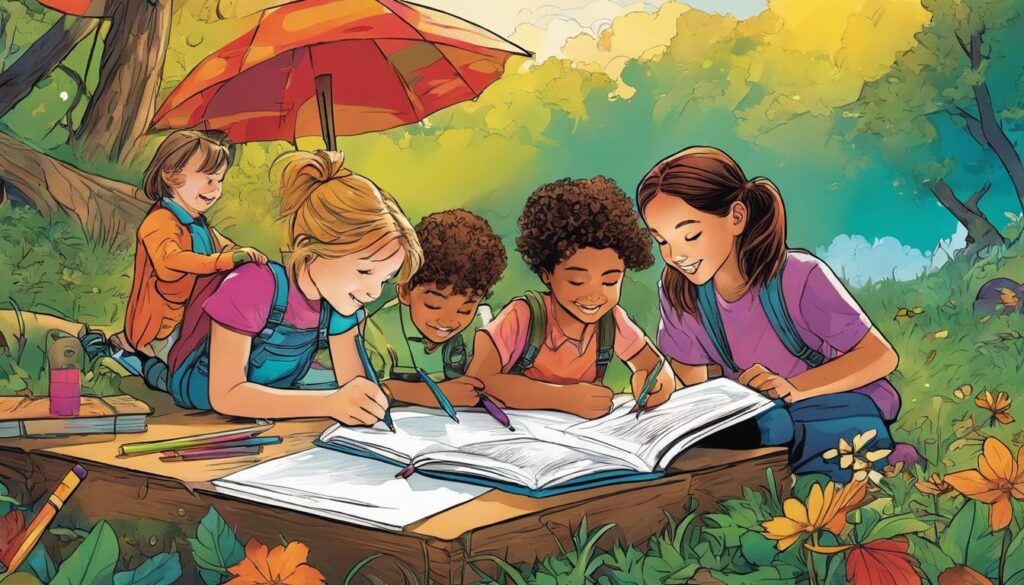
As parents, we all dream of raising children who are not only well-mannered but also possess a deep sense of fulfillment and resilience. Gratitude is one virtue that sits at the heart of this vision.
But let’s be honest—it can be tough figuring out how to kindle genuine thankfulness in our kids without turning it into just another chore for them. Many of us share this puzzle: How do you teach little ones to truly value what they have?.
We understand the challenge because we’ve faced it head-on in our own homes. One piece of wisdom has really stuck with us through our journey: research shows that jotting down three good things regularly can lead to significant upticks in happiness over time.
Armed with this nugget and a wealth of other findings, we’re eager to pass along practical tips that actually work when it comes to nurturing gratitude in young hearts.
Our article is your roadmap to activities brimming with fun and significance—craftily constructed for children—to help them discover the beauty of being thankful while supporting their growth in every aspect imaginable.
We know from experience that if an activity feels like playtime, it’s bound to make a more lasting impression.
So let’s dive right in! Together, we’ll help our kids develop grateful spirits that will enrich their lives for years to come.
Key Takeaways
- Introducing gratitude activities like journaling, crafts, and games helps children focus on positive aspects of life and fosters happiness.
- Acts of kindness and family gratitude rituals teach empathy and encourage prosocial behavior in kids, contributing to healthier relationships.
- Gratitude practices enhance children’s mental well – being by increasing resilience against stress and improving overall psychological health.
- Regularly expressing thankfulness can lead to better physical health for children, with fewer reported aches and pains due to reduced stress levels.
- Engaging in gratitude boosts self – esteem as kids learn to appreciate their own achievements and qualities.
The Importance of Teaching Gratitude to Children

Instilling gratitude in our children lays the groundwork for a life filled with positive emotions and social well-being. We know that fostering thankfulness from an early age can set them up for healthier relationships, since grateful kids are more likely to show empathy towards others and exhibit prosocial behavior.
It’s not just about saying “thank you”; it’s about nurturing a sense of appreciation that extends beyond manners into genuine acknowledgment of others’ roles in their lives.
Research shows us that children who practice gratitude report higher levels of happiness and lower levels of depression. This emotional advantage is essential, as it builds resilience against life’s challenges and contributes to overall psychological health.
Gratitude activities become key tools in parenting styles aiming to promote mental wellbeing, self-awareness, and ultimately, a meaningful life for our children. Let’s embrace the responsibility we have as caregivers to guide them through this journey towards developing lasting feelings of gratitude.
Ways to Foster Gratitude in Children

In our journey as parents, instilling a true sense of thankfulness within our young ones can transform their outlook on life. We’ll dive into how we can weave the fabric of gratitude into our children’s daily lives, nurturing hearts that not only appreciate but also give back with joy and generosity.
Discussing values with your child
Discussing values with your child opens doors to understanding and embodying gratitude. We know the importance of sharing our beliefs and why we hold certain things dear, such as saying “thank you” or helping others without expecting anything in return.
It’s about creating moments for open conversation where children can explore what feels meaningful to them. As parents and caregivers, we guide these discussions with patience and encourage kids to express their appreciation for people and experiences in their lives.
We believe that embedding gratitude into everyday life can be as simple as highlighting small joys or acknowledging someone’s kindness. Encourage your child to identify what they’re grateful for each day—maybe it’s a warm meal, a sunny afternoon, or help from a friend.
This practice sets the foundation for lifelong gratitude habits that are genuine rather than forced because it comes naturally through regular family dialogue about thankfulness. This approach strengthens social bonds and elevates happiness levels by ensuring gratitude is both felt and shared within the family dynamic.
Introducing family gratitude rituals
Creating family gratitude rituals strengthens bonds and nurtures a sense of thankfulness in our children. These shared moments can lead to increased well-being and less aggression over time, as our kids learn to appreciate the world around them.
- Design a Gratitude Jar: We place a jar in the heart of our home, inviting everyone to jot down things they’re grateful for on slips of paper. Regularly reading these aloud cultivates a climate of appreciation and reminds us of the positives in our daily lives.
- Start Gratitude Mealtimes: During meals, we go around the table taking turns to express one thing we’re thankful for. This simple practice encourages mindful thinking and helps kids associate gratitude with nourishing family connections.
- Implement Thank You Thursdays: We dedicate one day a week to writing thank you cards or messages to friends, family, or community members. It’s a meaningful way to express our gratitude outwardly and teach our children about recognizing others’ kind gestures.
- Create a Family Gratitude Tree: With branches made from craft materials, we hang leaves inscribed with words of gratitude. This visual display acts as a daily reminder of everything we value as a family unit and reinforces positive thinking.
Acts of kindness
As we weave gratitude into our family rituals, let’s not overlook the simple yet powerful acts of kindness. We can encourage our children to perform small gestures that make a big difference in someone’s day.
Whether it’s helping a sibling tie their shoes, baking cookies for a neighbor, or writing thank-you notes to friends and teachers, these actions reinforce the value of giving back and caring for others.
Through such experiences, kids learn firsthand about empathy and the joy that comes from contributing to the happiness of those around them.
Letting kids see us engage in acts of kindness also sets a strong example. They watch as we hold doors open for strangers, offer compliments freely, or volunteer time at local community centers.
By taking part themselves in charitable activities like organizing a clothing drive or participating in a walkathon for a cause they care about, children feel empowered. These proactive behaviors are building blocks for developing prosocial behaviors and fostering deep connections with their community—all while boosting their own self-esteem.
Fun Gratitude Activities for Kids
Delight in watching your children’s eyes sparkle with joy as they engage in creative gratitude activities designed to inspire thankfulness and a positive outlook on life—discover more of these enriching experiences just ahead.
Gratitude journaling
We’ve discovered a gem in gratitude journaling, a powerful tool that nurtures our children’s appreciation for the little things in life. Picture this: each day, our kids jot down moments or people they’re grateful for.
It transforms their perspective, shifting focus from what’s missing to the abundance all around them. This practice can lead to better school experiences and friendships filled with kindness and support.
Let’s equip our youngsters with gratitude prompts that invite reflection on daily joys—whether it’s a helping hand from a friend or the comfort of their own home. They will learn to see acts of kindness as precious gifts rather than ordinary occurrences.
As we guide them through this process, we foster not only their emotional skills but also their sense of belongingness and purpose in life – all while building stronger foundations for mental health and well-being.
Gratitude crafts
Let’s get creative with gratitude crafts that nudge our children towards a deeper appreciation for the little things in life. Crafting gratitude stones can be a joyful adventure. We gather smooth pebbles or rocks and let our kids paint or write words of thanks on them.
Each stone can symbolize what they’re grateful for, from family to favorite toys, creating a tangible reminder of life’s blessings.
Imagine constructing a Thankful Tree together – it’s not just an artsy project but also a meaningful way to visually represent thankfulness. We find sturdy twigs and branches and invite our young ones to add leaves representing their gratitudes, securing each one with adhesive or hot glue.
Whether displayed proudly on the wall or standing in the corner of the living room, this tree becomes a daily testament to the good in our lives, encouraging positive thinking and reinforcing altruistic values through engaging craftsmanship.
Storytelling and books on gratitude
Moving beyond crafting, we open the pages of storytelling and gratitude-themed books that ignite children’s imagination and teach them to recognize life’s blessings. Tales like “Giving Thanks with Max” or “The Thankful Book” unfold with characters and situations that gently nudge kids to see the world through a lens of thankfulness.
As they dive into these narratives, children learn to appreciate not only what they have but also the people around them.
We’ve found that incorporating these stories into our bedtime routines or classroom activities creates an engaging environment where gratitude is more than just a word—it’s a living experience.
Books such as “Have You Filled a Bucket Today?” encourage prosocial behaviors by illustrating how kindness can fill others’ metaphorical buckets—and our own in return. By fostering empathy through these shared reading experiences, we help young minds grasp the concept of gratitude in a way that will stick with them for life.
Gratitude games
Let’s dive into gratitude games, an enjoyable way to bring thankfulness into our children’s daily lives. These games turn the concept of gratitude into a fun activity that kids will look forward to playing.
Imagine a simple game of “Thankful Tag,” where each person has to ‘tag’ someone else by expressing what they are thankful for about them. This not only brightens everyone’s day but also reinforces positive relationship building.
We can craft games that align with our children’s interests and strengths, ensuring their engagement and excitement. Picture your family engaged in a “Gratitude Scavenger Hunt” around the house or neighborhood, searching for items that represent things they’re grateful for.
It could be anything from finding something that makes them feel safe to locating an object given by someone they love. Each find is a delightful discovery that celebrates life satisfaction and healthy emotional development through play—gratitude works wonders!
Gratitude Jar
Creating a Gratitude Jar with our kids is like planting seeds of thankfulness that grow into a garden of positivity. We can easily add this to our family’s daily routine, turning moments of appreciation into a heartfelt habit.
Each day, everyone writes down something they’re grateful for on a small piece of paper and drops it in the jar. It could be as simple as a warm hug or as special as an unexpected compliment from a friend.
We use the Gratitude Jar not just to count blessings but also to weave gratitude into the fabric of our family life. On days when smiles might be harder to find, we open the jar and read through the notes.
It’s an instant reminder of good times and great memories. This activity helps children understand that even on tough days, there’s always something positive to hold onto – cultivating gratitude alongside resilience and emotional strength.
Gratitude Tree
Building on the idea of a Gratitude Jar, let’s take our appreciation one step further with a Gratitude Tree. This activity invites children to transform their thankfulness into something visual and tangible.
We gather leaves, cutouts, or sticky notes—each piece becomes a canvas where they can jot down what they’re grateful for. These notes then adorn a simple tree structure made from branches or crafted out of paper on the wall.
It’s not just about creating an eye-catching display; as each leaf is added, kids actively engage in acknowledging their blessings.
The power of this craft lies in its ability to make gratitude a collective experience that grows visibly over time. Our little ones learn about interconnectedness by seeing how every individual ‘thank you’ contributes to the flourishing of the whole tree—a lesson in unity and community support that reinforces social bonds and empathy among family members.
With each new addition, children recognize that their moments of gratitude are integral parts of life’s larger tapestry, promoting self-development beyond mere words—they feel it bloom within them and see it reflected in front us all.
Gratitude Walk
Moving from creating a Gratitude Tree, we take our expressions of thankfulness outside with a Gratitude Walk. This activity infuses the simple pleasure of a walk with an opportunity for kids to recognize and appreciate the world around them.
As we stroll through nature or even around our neighborhood, we encourage children to notice and verbalize what they feel grateful for—the warmth of the sun, the laughter of friends, or maybe just the comfort of their shoes.
As we embark on these walks regularly, children start to develop an awareness beyond themselves. They begin spotting things they might have overlooked before—like the mail carrier who delivers letters consistently or how trees change with seasons.
Each observation becomes an opening to meditate on gratitude together as a family. This habit not only fosters positive emotions but also strengthens bonds between us as parents and children by sharing in moments that celebrate life’s simplest joys.
The Impact of Gratitude on Children’s Development
Exploring the profound effects gratitude has on young minds, we find that nurturing thankfulness goes beyond mere manners; it lays a foundation for a multitude of developmental benefits.
Embedding gratitude in children’s lives can significantly amplify their mental and emotional growth, shaping them into well-rounded individuals.
Enhances Empathy
Through gratitude activities, we guide our children to see the world from another person’s perspective. This practice nurtures empathetic understanding as they learn to acknowledge and appreciate the emotions and experiences of others.
Encouraging acts of kindness not only helps those on the receiving end but also allows our kids to experience firsthand how their positive actions resonate with others.
Our role in developing this vital emotional skill is clear — by integrating thank you notes, sharing stories about helping people, or creating a gratitude collage, we create opportunities for our kids to connect with wider social circles.
These experiences help them recognize similar feelings across different people, effectively breaking down barriers and fostering an inclusive community spirit where empathy thrives.
Improves Physical Health
Practicing gratitude does more than just warm the heart; it boosts our physical well-being too. Studies show that when children learn to be thankful, they often experience fewer aches and pains.
Regular expressions of thankfulness are linked with better self-care, including healthier eating and exercising habits.
We see gratitude acting as a catalyst for healthier lifestyles in kids as well. Encouraging our little ones to say “thank you” goes hand-in-hand with nurturing their awareness of body and mind connection.
Healthiest behaviors emerge not from extrinsic motivations or social comparisons but from genuine appreciation for one’s own health and life experiences. Plus, grateful young minds are more likely to seek social support rather than internalize stress, which is essential for warding off pesky colds or dealing with bigger challenges like post-traumatic stress disorder (PTSD).
Improves Self-Esteem
We see our children grow more confident when they regularly engage in gratitude activities. Recognizing what they’re thankful for helps them appreciate their own qualities and achievements.
As daily affirmations of positivity become a habit, kids start to believe in their own worth and potential.
Gratitude journaling is one powerful way to boost self-esteem among youngsters. It encourages adolescents to reflect on the good in their lives, reducing envy and resentment that can erode how they view themselves.
They learn generosity not just in thought but also through action, fostering prosocial behaviors that reinforce their sense of self-efficacy. By focusing on what’s positive, children develop a healthier relationship with themselves and those around them.
Conclusion
Let’s empower our children with the gift of gratitude. Through simple yet meaningful activities, we guide them towards a happier and healthier outlook on life. They learn to cherish the good around them and nurture relationships with kindness.
This practice lays a strong foundation for their future well-being. Embrace these moments together; they are stepping stones to raising grateful hearts in a world that needs more thankfulness.
Discover the power of storytelling in teaching important lessons to children with our article on e-safety for kids: teaching internet safety through storytelling.
FAQs
1. How do gratitude activities benefit child development?
Gratitude activities play a significant role in enhancing prosocial behaviors and fostering a sense of thankfulness that contributes positively to a child’s social and emotional growth.
2. Can occupational therapists incorporate gratitude into their treatment?
Yes, occupational therapists often recommend gratitude exercises as part of therapy to develop fine motor skills through writing ‘thank you’ notes or crafting appreciation gifts, which can also improve emotional well-being.
3. Are there any resources available for teaching kids about gratitude?
Plenty of resources are available, including downloadable worksheets and books like those by Brené Brown. Always respect copyright laws when using materials created by others.
4. Does practicing thankfulness help children deal with negative emotions like sadness?
Absolutely! Encouraging children to focus on what they’re thankful for, whether it’s through prayer or mindfulness meditation, helps them manage feelings of sadness by shifting their attention towards the positive aspects of life.
5. Is saying “thank god I found you” an example of expressing gratitude in daily life?
Expressing phrases such as “thank god I found you” is indeed one way people convey their relief and gratefulness in everyday situations and can help instill the value of appreciation in young minds.